Top Tips for Preventing Tree Damage During Georgia’s Summer Storms
Summer storms in Georgia can severely damage trees. Looking for ways to protect them? Learn essential tips for preventing tree damage during Georgia’s summer storms in this article.
Key Takeaways
Understanding Georgia’s summer storms and their impact on trees is crucial for prevention and property protection.
Regular tree care practices such as pruning, strengthening root systems, and selecting storm-resistant species are essential for mitigating storm damage.
Post-storm inspection and timely intervention, including calling certified arborists when necessary, are vital for maintaining tree health and safety.
Understanding the Impact of Georgia’s Summer Storms on Trees

Georgia’s summer storms can be ferocious, bringing extreme winds and heavy rains that impact trees significantly during storm season. These severe weather events, including ice storms, can lead to storm damage that ranges from broken branches to entire trees being uprooted. Trees particularly vulnerable to storm damage have:
Weakly attached branches
Stem girdling roots
Inadequate root systems
Mature trees, young trees, newly planted trees, and small trees each face unique vulnerabilities during storms. Mature trees may suffer from structural weaknesses or decay, while young trees and newly planted trees are more susceptible due to underdeveloped root systems. Small trees can be easily uprooted or damaged, especially if not properly supported.
When these storm hits, the risk of tree failure increases, often resulting in personal and property damage.
Preventing tree damage is far more effective and less costly than dealing with the aftermath. Storms can lead to the expensive removal of downed trees and repairs to damaged homes. Stressed trees, already weakened by decay or disease damage, are more susceptible to storm damage. Thus, protecting trees and maintaining their health is crucial in mitigating the impact of these storms.
Several factors and other factors contribute to tree damage during storms, including wind, rain, and saturated soil. The type of soil and its drainage capabilities play a significant role in a tree’s ability to withstand storm conditions. Soil type and drainage are critical factors that influence a tree’s stability and health during severe weather.
Understanding these impacts helps us realize the importance of proactive tree care. Maintaining healthy trees and addressing potential weaknesses can better protect our properties and prevent storm damage. Essential tree care practices can help in preparing trees for the next storm.
Essential Tree Care Practices for Storm Preparation
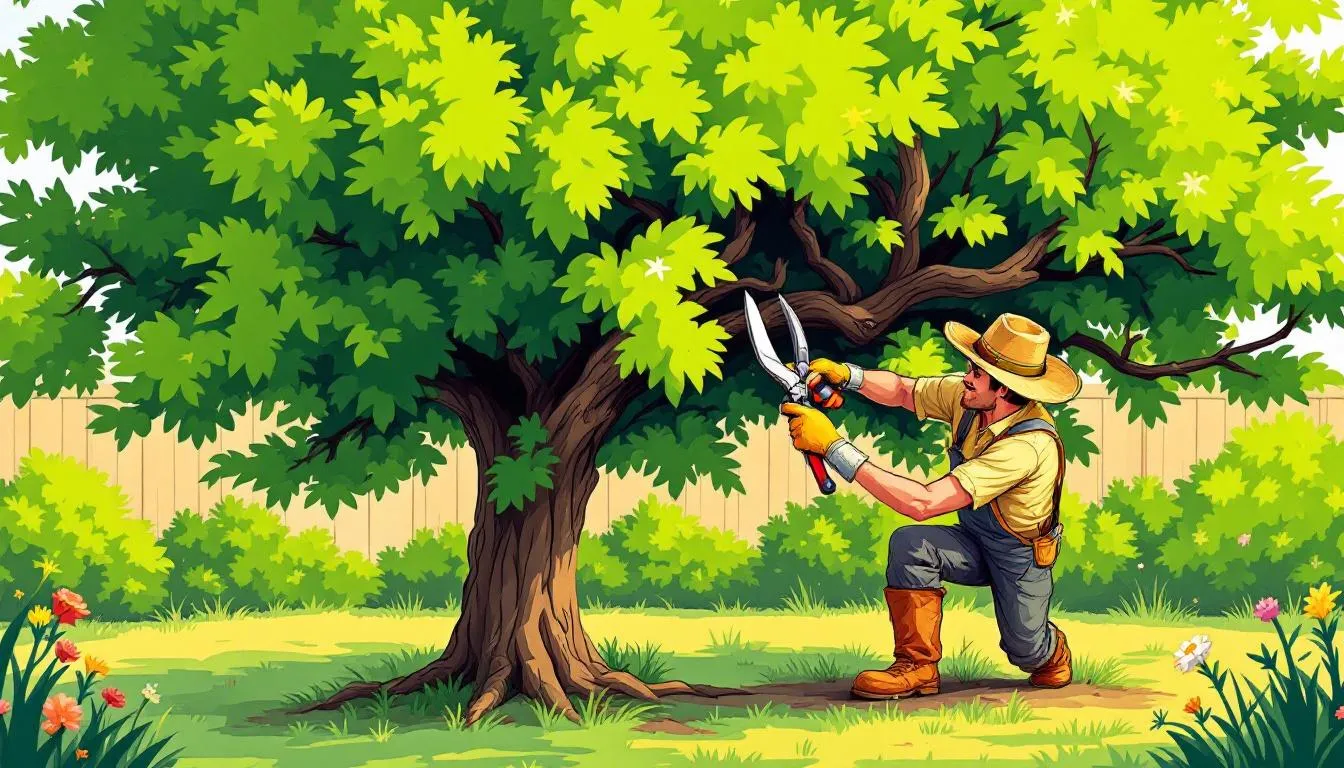
Preparing trees for Georgia’s summer storms requires diligent and proactive tree care practices. Regular maintenance, including tree pruning, is vital to protect trees and minimize storm damage. Addressing potential issues before they become critical enhances tree safety and ensures their resilience during severe weather.
Three main practices are crucial for storm preparation: Regular Pruning for Tree Safety, Strengthening Root Systems, and Selecting Storm-Resistant Tree Species. Each of these practices plays a significant role in maintaining healthy trees and preventing tree damage during storms.
Regular pruning helps remove dead or dying branches that are more likely to fail during a storm. Late fall is an ideal time for certain pruning activities to enhance tree resilience and prevent disease. Strengthening root systems ensures that trees remain stable even in saturated soil conditions. Lastly, selecting storm-resistant tree species can significantly reduce the risk of damage from high winds and heavy rains. Let’s delve into each of these practices in detail.
Regular Pruning for Tree Safety
Regular pruning is essential for protecting trees from storm damage. Proper pruning involves:
Removing dead or dying branches to prevent them from becoming dangerous projectiles during a storm.
Trimming dead or damaged branches with clean, sharp tools.
Performing pruning during less stressful times for the tree.
When pruning, it is important to identify the branch bark ridge—a rough, protruding ridge of bark at the branch union—as this feature indicates a healthy branch attachment and helps prevent potential weaknesses that could lead to branch failure.
Homeowners should consider working with certified arborists, especially for larger trees, to ensure proper pruning and seek expert advice.
Signs that trees may need pruning include visible dead or dying branches and the risk of causing storm damage. Regular tree trimming not only enhances tree health but also helps in maintaining a well-balanced tree canopy, reducing the likelihood of tree failure during storms.
Regular pruning is a crucial step in preparing trees for severe weather, and annual pruning is also important for maintaining their health when pruned.
Strengthening Root Systems
A strong root system is fundamental in protecting trees during storms. Root failure, often caused by disease, poor drainage, or soil compaction, can lead to trees falling over. Proper tree care practices, such as ensuring good drainage and avoiding soil compaction, are vital for maintaining healthy root systems.
Understanding your site’s soil types and rooting volume is crucial for tree health and storm resilience. When trees are planted too deep, they can form encircling roots, which negatively impacts their stability and health. Addressing these issues prevents root damage and enhances tree stability during severe weather.
Selecting Storm-Resistant Tree Species
Selecting storm-resistant tree species is a proactive step in preventing storm damage. Important considerations include:
Avoiding trees like Pine, Live Oak, and Willow, which are more prone to sustaining damage from high winds during storms.
Choosing wind-resistant tree varieties.
Understanding local soil types and rooting volumes to help select the right trees for planting.
Selecting the right tree species minimizes storm damage and ensures tree health. This practice, combined with regular pruning and strengthening root systems, forms a comprehensive approach to preparing trees for Georgia’s summer storms.
Planting Trees for Safety
Planting trees for safety is a crucial step in preventing storm damage and protecting both people and property. When you plant trees, always consider their mature size and how close they will be to power lines, buildings, and other structures. Planting too close to power lines can lead to hazardous situations during severe weather, as broken branches may fall onto lines and cause outages or even fires.
Choose tree species that are well-suited to Georgia’s climate and less prone to storm damage. Trees with strong, deep root systems are more resistant to strong winds and less likely to experience tree failure. When planting, ensure the root system has enough space to develop fully—this helps anchor the tree and prevents it from toppling during storms.
Regular pruning and maintenance from the time the tree is young will help shape a sturdy structure and reduce the risk of broken branches. By selecting the right location, choosing resilient tree species, and providing ongoing care, you can enjoy the beauty and benefits of trees while minimizing the risks associated with storms and high winds.
Addressing Structural Weaknesses in Trees
Structural weaknesses in trees can lead to significant damage during storms. Common weak points include improper branch unions and co-dominant leaders. Trees with weak branches are at a higher risk of failure during storms. Identifying and correcting these structural weaknesses is essential for protecting trees.
An uneven tree canopy can increase stress and the likelihood of damage during storm conditions. Addressing these weaknesses enhances tree safety and prevents storm damage. Let’s explore specific methods to correct these issues.
Identifying and Correcting Co-Dominant Leaders
Co-dominant leaders create structural imbalances, making trees more susceptible to wind damage. These weak points can lead to tree failure in bad weather. One method to address co-dominant stems is to prune to encourage one central trunk.
Identifying and correcting co-dominant leaders enhances tree stability and reduces the risk of storm damage. This practice is crucial for maintaining healthy trees and ensuring their safety during severe weather.
Cabling and Bracing for Extra Support
Cabling and bracing provide extra support to vulnerable trees. Cabling involves using strong cables to connect branches, offering added support. This method is effective in preventing tree failure during strong winds and storms.
Implementing cabling and bracing protects trees with structural weaknesses and ensures their stability during severe weather, especially for large trees and trees with brittle wood and a tree trunk.
Managing Trees Near Power Lines and Structures

Managing trees near power lines and structures is crucial for safety and preventing property damage. Key safety guidelines include:
Adhering to OSHA regulations.
Maintaining a distance of at least 10 feet from power lines to prevent electrocution and related hazards.
Treating all power lines as energized during tree trimming and maintenance to ensure worker safety.
Homeowners should be informed about the risks associated with tree growth near power lines to avoid future complications and ensure safety. Key safety measures include:
Pruning branches near structures to prevent damage during storms.
Managing trees near power lines and structures to protect property.
High Wind Preparation
Preparing trees for high winds is essential for protecting trees and your property from storm damage. One of the most effective strategies is proper pruning, which involves removing weak branches and thinning the tree canopy to reduce wind resistance. This allows wind to pass through the branches more easily, decreasing the likelihood of breakage.
Trees with co-dominant leaders or other structural weaknesses are especially vulnerable during high winds. In these cases, cabling and bracing can provide extra support, helping to prevent tree failure. Certified arborists can assess your trees for structural weaknesses and offer expert advice on the best ways to strengthen them before the next storm.
Regular inspections and maintenance are key to identifying potential problems early. By taking proactive steps—such as pruning, cabling, and bracing—you can prevent damage, protect your property, and ensure the safety of your trees when high winds strike.
Ice Storm Preparation
Ice storms pose a unique threat to healthy trees, as the weight of accumulating ice can cause branches to break and even lead to entire trees failing. To prepare for ice storms, it’s important to prune trees regularly, removing weak, dead, or brittle branches that are most likely to break under the weight of ice.
Trees that have suffered from disease or mechanical damage are at greater risk during ice storms and should be monitored closely. Good tree care practices, such as proper watering and fertilization, help maintain strong, healthy trees that are better able to withstand the stress of ice accumulation.
By staying vigilant and addressing potential problems before storms hit, you can minimize the risk of storm damage and help your trees recover more quickly if ice storms do occur.
Post-Storm Tree Inspection and Care

Post-storm inspection and care are essential for maintaining tree health and safety. Regular and thorough inspections can help identify early signs of disease or damage, allowing for timely interventions. Inspect your yard thoroughly after a storm, noting any fallen branches or dead wood to assess tree damage.
Inspect trees for broken limbs, cracks, or root damage as soon as it is safe after a storm. Emergency tree removal may be necessary for any loose branches that could pose a hazard to people or property, especially if there are broken trees or damaged trees. Breaking branches can also be a concern during this time to prevent potential damage.
Let’s explore specific steps for dealing with broken branches and torn bark, and when to call a certified arborist to break the situation down effectively.
Dealing with Broken Branches and Torn Bark
Trimming trees after a storm is crucial to help them recover from damage. For minor uprooting of smaller trees, it is important to straighten and guy them immediately after damage. Proper pruning techniques can prevent disease and further damage to the tree.
Addressing torn bark promptly is essential to protect trees from potential disease and further damage. Taking immediate action helps to wound trees recover and maintain their health.
When to Call a Certified Arborist
If trees are significantly damaged, seeking help from a certified arborist can ensure proper assessment and care. Homeowners should consult an arborist if large branches are broken or if the tree is leaning significantly.
Certified arborists can safely handle large fallen trees and assess the structural integrity of remaining trees. Working with professionals ensures tree health and safety after a storm.
Emergency Tree Removal
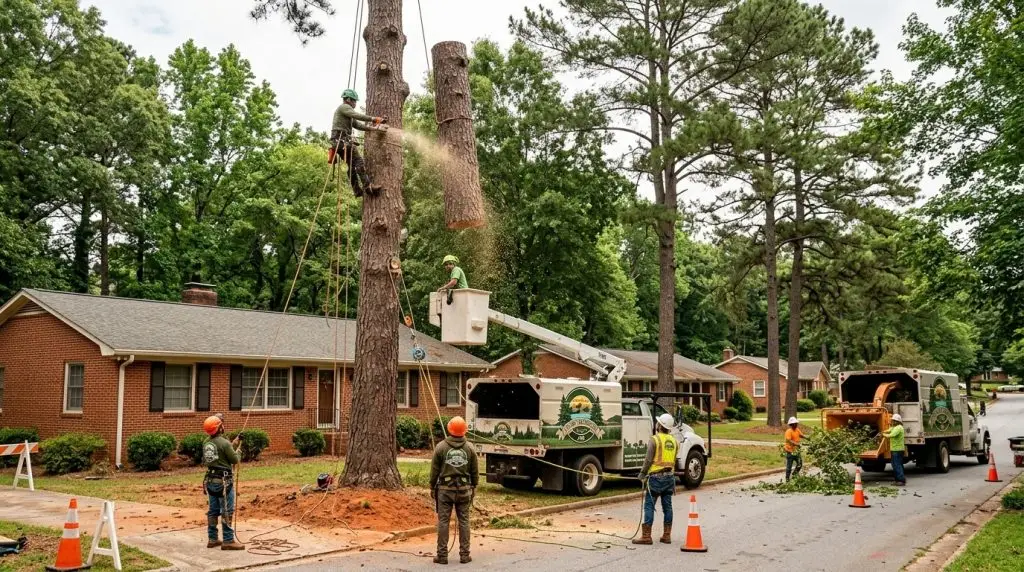
After a storm, emergency tree removal may be necessary if trees have suffered significant damage or are posing a risk to people, property, or power lines. Broken branches, downed power lines, and unstable trees can create dangerous situations that require immediate attention.
It’s essential to work with certified arborists for emergency tree removal, as they have the training and equipment to safely handle damaged trees and prevent further property damage. Prioritizing tree safety during removal helps protect everyone involved and ensures that the process is handled efficiently.
Regular pruning and maintenance can reduce the likelihood of needing emergency tree removal by keeping trees well maintained and less prone to failure. However, when storms cause unexpected damage, prompt action by professionals is the best way to restore safety to your property.
Creating a Storm-Ready Landscape

Creating a storm-ready landscape involves strategic planning and planting. Thinning trees can help wind pass through more easily, reducing the likelihood of uprooting or breakage during storms.
Creating windbreaks by strategically planting wind-resistant trees and shrubs can help protect more vulnerable plants and structures. Implementing these techniques enhances the resilience of our landscape and helps to plant trees that protect trees from storm damage and wind resistance.
Summary
Summarizing the key points, it’s clear that proactive tree care and preparation are essential for protecting trees during Georgia’s summer storms. Regular pruning, strengthening root systems, selecting storm-resistant tree species, addressing structural weaknesses, managing trees near power lines, and post-storm care all play a vital role in ensuring tree health and safety.
By taking these steps, we can prevent potential damage, protect our properties, and maintain healthy trees. Let’s be proactive and ensure our trees stand strong in the face of severe weather.
Frequently Asked Questions
Why is regular tree pruning important for storm preparation?
Regular tree pruning is crucial for storm preparation as it eliminates dead or hazardous branches that could become dangerous projectiles, thereby enhancing the safety of both the tree and surrounding structures. This proactive maintenance helps reduce storm damage risks significantly.
How can I strengthen the root systems of my trees?
To strengthen the root systems of your trees, ensure good drainage, avoid soil compaction, and understand the soil types and rooting volume of your site. This approach will help maintain healthy roots and prevent failures.
What are co-dominant leaders, and why are they a problem?
Co-dominant leaders are branches of equal size competing for dominance, leading to structural instability and increased vulnerability to wind damage. Addressing this issue enhances the overall stability of the tree.
When should I call a certified arborist?
You should call a certified arborist when you notice broken large branches, significant leaning of the tree, or substantial storm damage requiring expert evaluation. Timely intervention can prevent further complications and ensure the health of your trees.
How can I create a storm-ready landscape?
To create a storm-ready landscape, thin trees for better wind passage and establish windbreaks using wind-resistant trees and shrubs. This proactive approach minimizes potential storm damage effectively.