
Ask anyone who grew up in Marietta before the 2000s, and they will remember the old Cobb Theatre. It wasn’t flashy. It didn’t have reclining seats or high-tech screens. But for many of us, it was more than a place to watch movies. It was where we spent Friday nights with friends. It was where we had first dates. It was where parents took their kids for matinees on summer days. Driving to the theater with friends or family in the car was part of the experience, adding to the cherished memories.
The old Cobb Theatre sat quietly on its corner, with a simple sign and a welcoming front. The smell of popcorn hit you before the doors even opened. The ticket window always had a line, and the lobby buzzed with chatter. The floors were sticky, and the seats creaked, but none of that mattered. People loved it because it felt familiar. We spent countless hours and dollars there, creating lasting memories.
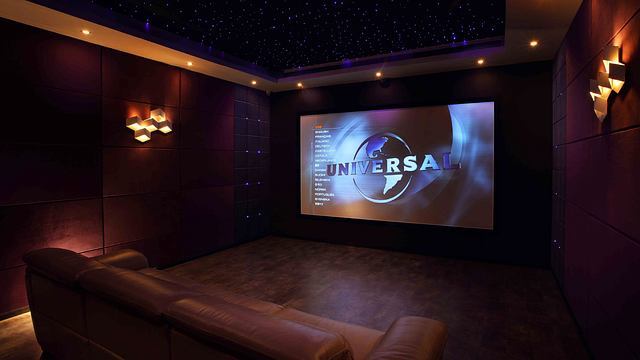
The Cobb Theatre, a beloved movie theater, stood as a cornerstone of our community for over a quarter century. For many, it was the backdrop of countless childhood memories, from the thrill of watching Star Wars special editions to the simple joy of a family night out. This theater wasn’t just a place to watch movies; it was a place where memories were made and cherished.
As kids, we spent countless hours in its darkened rooms, eyes wide with wonder as the big screen brought our favorite stories to life. The rich history of the Cobb Theatre is woven into the fabric of our community, creating a tapestry of shared experiences and vivid memories. Whether it was the excitement of a new release or the comfort of a familiar favorite, the theater was a go-to destination for movie lovers of all ages.
Walking through its doors, you were greeted by the familiar smell of popcorn and the hum of anticipation. The state-of-the-art technology and comfortable seating made every visit special, a perfect blend of nostalgia and modern convenience. As we take a walk down memory lane, we’ll explore the history of the Cobb Theatre and its lasting impact on our community.
The Cobb Theatre stood near what is now a newer shopping center. It had a bright red and white marquee. People could see the movie titles posted as they drove past. The building was plain but easy to spot. Parking was simple. People knew the back lot, and regulars had favorite spots near the side entrance. Many realized the theater’s significance as a community hub over time.
Inside, it had a few screens, nothing like today’s giant complexes. But it was enough. Some of us saw our first blockbuster there. Some of us saw our last movie before leaving for college. It was a community place. You would often run into people you knew. Teachers, neighbors, classmates—all gathered for the same movie. We felt lucky to have such a cherished place where memorable events unfolded.
The lines outside Cobb Theatre grew long when summer hits came out. People stood in the Georgia heat with snacks in hand. Someone always had a Walkman playing. People made plans while waiting. You could hear laughter, see kids chasing each other, and smell the candy from the counter inside. Snacks like popcorn and pizzas were a vital part of the wait, making the experience even more enjoyable.
We watched everything there—action, comedy, horror, and classics. Some folks remember waiting in line for Star Wars. Others saw Titanic three times in a row. The theatre wasn’t fancy, but it had heart. The bustling atmosphere of the box office lines added to the excitement. It showed the movies that mattered at the time.

Like many local theaters, Cobb Theatre couldn’t keep up with the newer chains. As big companies moved in with bigger screens and stadium seating, the old theatre saw fewer visitors. People wanted more features, more comfort. Slowly, showtimes dropped. Staff got smaller. And one day, it closed. It was unexpected to see this happen to a place that once thrived.
There wasn’t a big farewell. No last show. No big crowd to say goodbye. The doors just stopped opening. The marquee went dark. The parking lot emptied out. People noticed, but they had already moved on to other places, like the nearby mall. The site was later sold. The building was torn down. A modern structure stands there now, but longtime residents remember what used to be there.
Brian, who grew up near Roswell Street, remembers his dad taking him to see Jurassic Park. He said the roar of the dinosaur shook the small room, and the whole crowd jumped. He kept the ticket stub for years. He has a vivid memory of the excitement and awe he felt during that moment.
Lisa, who worked at the concession stand as a teenager, remembers meeting her best friend there. They scooped popcorn and talked between shows. She said it was the first job that felt fun. She also recalls her mother dropping her off for her shifts and sharing stories about her own first job.
Jared, who lived near the square, had his first kiss in the back row during a Valentine’s Day movie. He said he barely remembers the film but remembers that moment clearly.
These stories live on even if the building is gone. The theatre left a mark. It was part of growing up here. Newer generations may not know it, but its memory stays alive through those who visited often.
Marietta has changed a lot in recent years. New stores, restaurants, and developments have moved in, bringing new businesses that have significantly impacted the community. Traffic has picked up. But there are still places where the past peeks through. People talk about the old skating rink, the corner diner, and of course, the old Cobb Theatre.
Change is part of every town’s story. But those small places—like Cobb Theatre—shape how we remember our hometown. They give us stories to pass down. They remind us of simpler days, shared moments, and real connections. After the demolition of the Cobb Center Mall, the area transformed into a series of strip malls, reflecting the broader shift in retail formats.
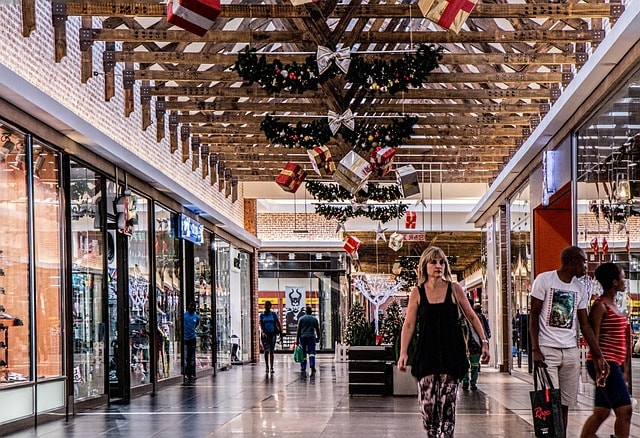
Reflecting on the legacy of the Cobb Theatre, it’s clear that this movie theater has been more than just a place to watch films; it has been a cultural landmark that shaped our community’s identity. From hosting local film festivals to screening timeless classics, the theater was a hub for movie enthusiasts and families alike. Its unique architecture and historic charm made it a treasure worth preserving.
The Cobb Theatre played a pivotal role in our lives, creating a space where memories were made and stories were shared. Whether you were a kid experiencing the magic of the movies for the first time or an adult reliving your favorite films, the theater was a place where the community came together. It was a building that held our collective memories, a testament to the power of shared experiences.
As we look to the future, it’s essential to prioritize the preservation of this iconic theater. Community involvement and support are crucial in ensuring that the Cobb Theatre continues to thrive. By working together, we can maintain this beloved movie theater as a vital part of our town’s history. It’s a place where memories are created, and stories are told, and it deserves to be preserved for future generations to enjoy.
Places like the old Cobb Theatre show that a building doesn’t need to be big or fancy to matter. What matters is how people feel when they’re there. The idea of community and shared memories is central to these experiences. Marietta has many of these places, past and present. They help us connect to each other and to the town itself. They build identity and pride. These places create a sense of belonging and give neighbors something to share.
Vilchis Tree Services Pro of Marietta cares about the people and places that make this town special. We provide tree removal, trimming, and emergency services with care and precision. We believe in safe work and honest service. We work hard to serve homeowners, businesses, and public spaces with respect and attention. Our team lives and works in Marietta, and we are proud to help maintain its beauty and safety.
The old Cobb Theatre may be gone, but its story still lives here. If you ask around, someone will have a memory to share. The last time someone visited the theater, they might recall the emotions tied to that experience. It was a place that brought people together. That is something worth remembering.
Marietta continues to grow, but the past still matters. For many, the theater felt like a second home, a house where significant memories were formed. And stories like this help keep it alive.