Tree Removal Near Plumbing: What to Know Before Taking Down That Oak
Thinking about removing that oak tree near your plumbing? It’s crucial to know the risks and precautions to avoid costly damage. This guide on tree removal near plumbing: what to know before taking down that oak covers everything you need to know. From assessing risks to professional advice, we’ll help you make an informed decision.
Key Takeaways
Tree removal near plumbing requires careful assessment to identify risks, including root intrusion that can damage pipes and foundations.
Signs of plumbing issues caused by tree roots include slow drainage, unpleasant odors, and wet spots in the yard; timely professional intervention is crucial.
Implement protective measures such as hiring certified arborists, using specialized equipment, and installing root barriers to safeguard plumbing during and after tree removal.
Assessing the Risks of Tree Removal Near Plumbing

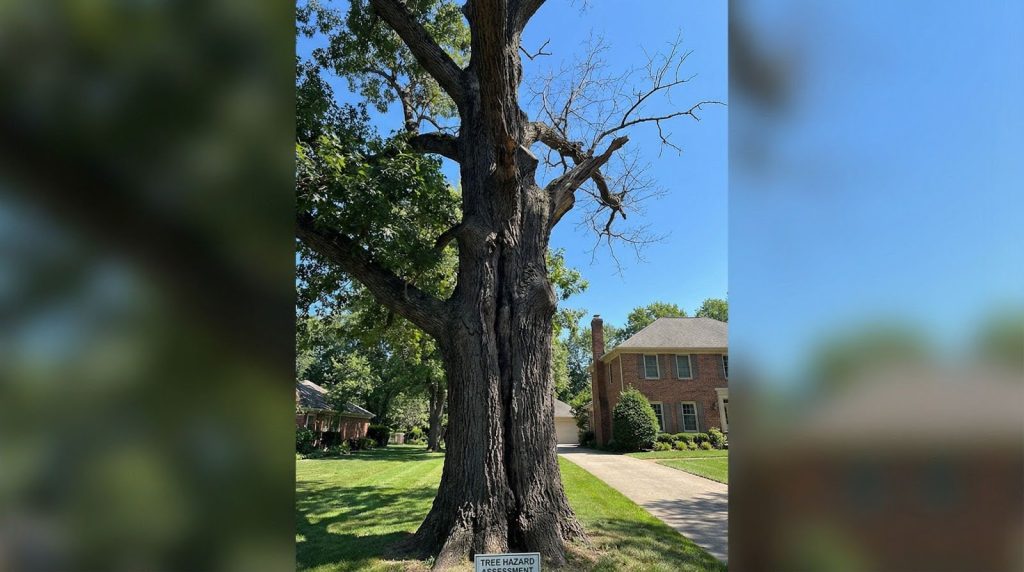
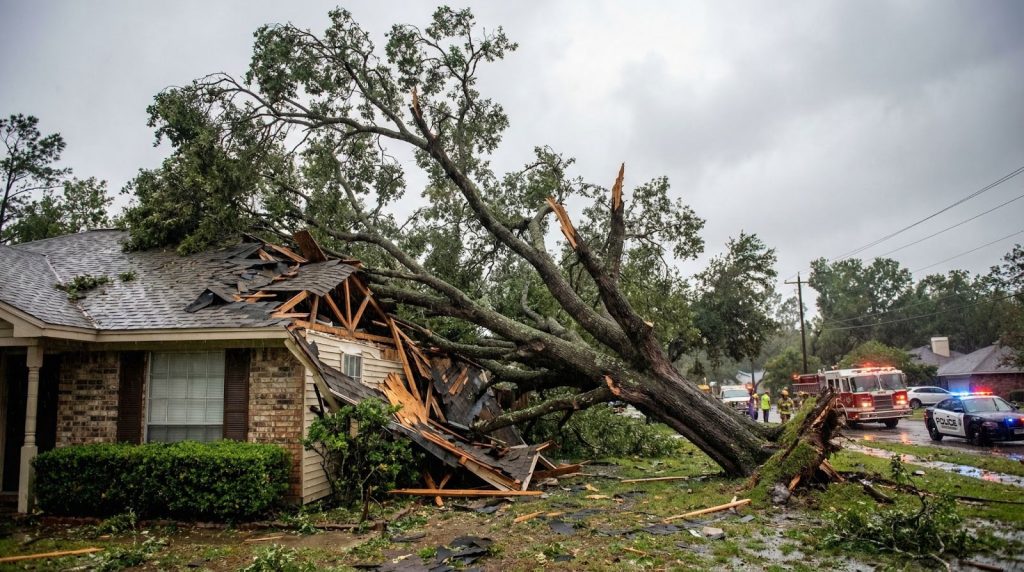
Tree removal near plumbing presents several risks, including tree damage to plumbing lines and the stability of structures. Invasive tree roots can infiltrate plumbing systems, causing leaks and costly repairs. Roots can also compromise a home’s structure by causing cracks in walls or foundations. Removing a tree may be necessary due to health, safety, and property issues stemming from tree encroaching. Diseased trees and unhealthy trees can compromise a tree’s health, increasing the risk that the tree or its branches may fall and cause damage to nearby structures.
Considering the proximity of trees to plumbing lines can reveal potential risks and challenges. Recognizing these risks helps prevent additional harm to the plant’s stability and nearby properties during the removal of dead trees that have been pruned. During the removal process, careful handling of branches is essential to prevent damage to property and ensure safety. Moreover, complying with local regulations ensures that homeowners avoid legal complications. Some trees may be protected by local laws, requiring special permits for removal.
Let’s delve deeper into the specifics, starting with identifying plumbing lines.
Identifying Plumbing Lines
Before removing a tree, identifying plumbing lines is necessary to prevent accidental damage. An arborist should assess the tree and the area to ensure that all plumbing lines are properly identified. This step can prevent a myriad of plumbing issues, such as reduced water pressure caused by tree roots blocking pipes.
Marking and location these lines is a crucial initial step in the tree removal process.
Evaluating Root System Impact
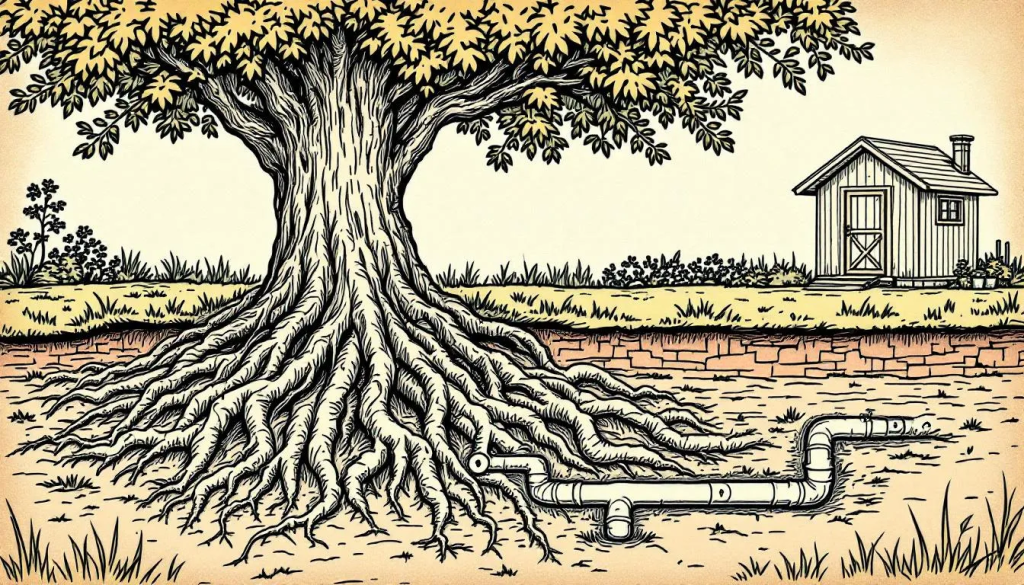
Oak tree roots can spread widely, often growing near plumbing lines and impacting their structural integrity and function. Oak trees are known for their extensive root systems, which can spread large amounts underground and impact plumbing lines over a significant area. The growth of these roots is influenced by factors such as soil type, moisture availability, and the depth of plumbing lines. A tree’s roots can extend far from the trunk, seeking moisture and potentially causing issues by infiltrating pipes, leading to slow drainage or leaks. Signs of plumbing issues, such as wet spots in the yard or unpleasant odors, may indicate tree’s roots intrusion.
When plumbing problems occur, consider the following steps:
Investigate the root system for potential connections.
Consult a professional arborist to gain insights into the extent of root damage and necessary actions.
Have professionals assess whether tree removal is necessary or if root barriers and other solutions could mitigate the issue.
Potential Damage to Foundations
Large tree roots near plumbing lines can cause significant damage by:
Extending towards pipes or foundations.
Entering cracks in foundations and enlarging them, leading to structural damage.
Absorbing moisture from the soil around a home’s foundation, which can leave the soil dry and loose, causing foundation problems.
Destabilizing the soil around a concrete foundation, which can lead to cracks and shifts in the foundation, even though roots do not typically break through the concrete directly.
Exposed roots indicating potential damage to the foundation caused by tree growth.
Survey your foundation for root extension if you suspect damage, and hire a professional if needed. Installing root barriers between the tree and your foundation can help prevent future issues related to tree roots.
Both a home’s foundation and a house’s foundation can be affected by soil movement caused by tree roots, leading to cracks or shifts in the structure.
Assessing a tree’s distance from your house helps determine if it poses a contact or damage risk. Always hire a professional arborist for tree removal to ensure safe and effective removal without damaging plumbing or foundations.
Signs That Your Oak Tree Is Affecting Your Plumbing
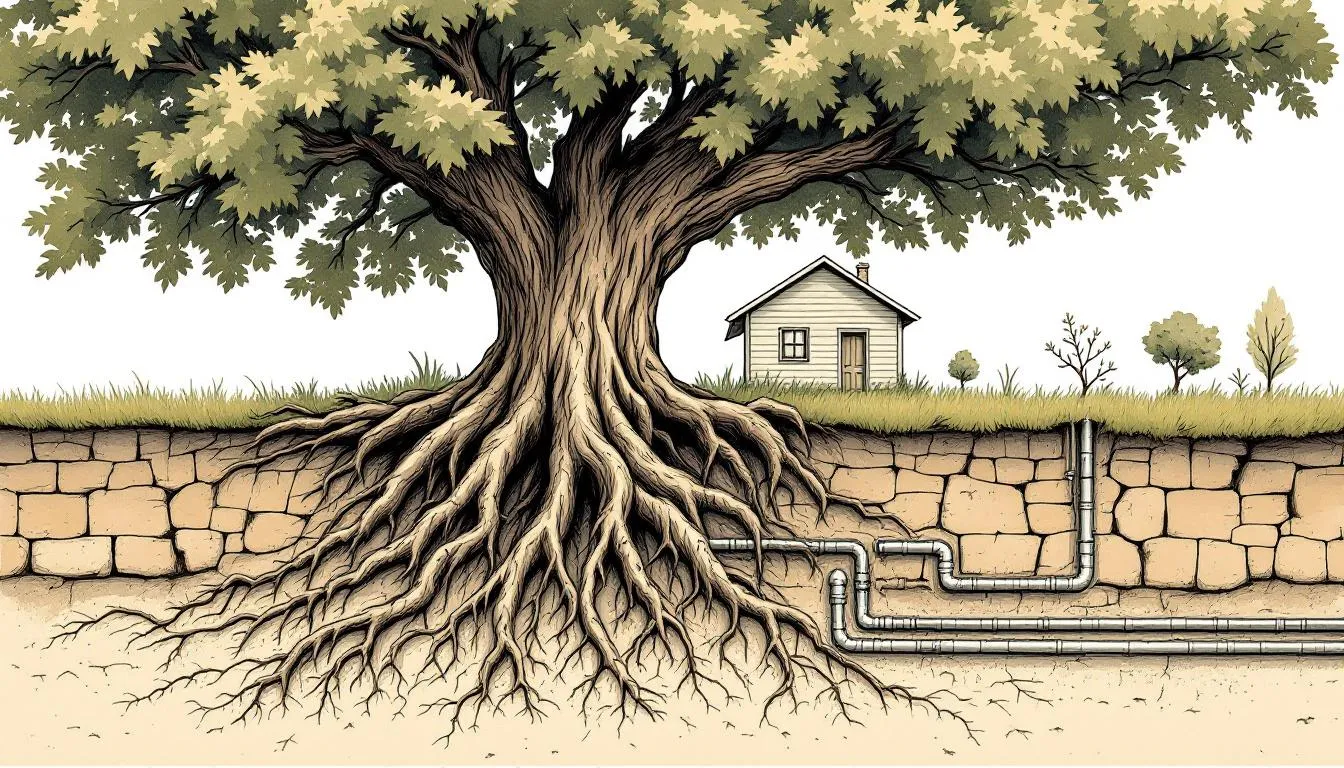
Invasive tree roots can lead to multiple plumbing issues. Signs like slow drainage, unpleasant odors, and wet spots in the yard can indicate plumbing issues caused by oak tree roots. These roots can move into cracks in plumbing systems, causing damage and blockages. Regular inspections can help identify early signs of plumbing issues related to tree roots. At this point, it’s crucial to note that early detection of these signs is essential to prevent major plumbing issues.
Let’s explore these telltale signs in more detail.
Slow Drainage
Tree roots searching for moisture can infiltrate plumbing, causing blockages and leading to slow drainage. When roots block pipes, it typically results in a noticeable decrease in water flow.
Experiencing slow drainage should prompt hiring a professional plumber to diagnose if tree roots are the cause.
Unpleasant Odors
A rotten eggs smell often suggests decaying organic matter in pipes caused by invading tree roots. Poor drainage is typically the usual cause of foul smells from drainage pipes. Tree roots can obstruct plumbing, leading to backups and contributing to the decay of organic matter, causing unpleasant odors.
Wet Spots in Yard
Soggy areas in the yard often indicate leaking pipes, which may be caused by tree root intrusion. These wet spots are a common sign that roots have infiltrated the plumbing system, causing leaks that result in excess moisture in the soil.
Preparing for Safe Tree Removal

Proper preparation is key to safe and effective tree removal. Important considerations include:
Consulting your local government website to understand tree ownership and removal regulations.
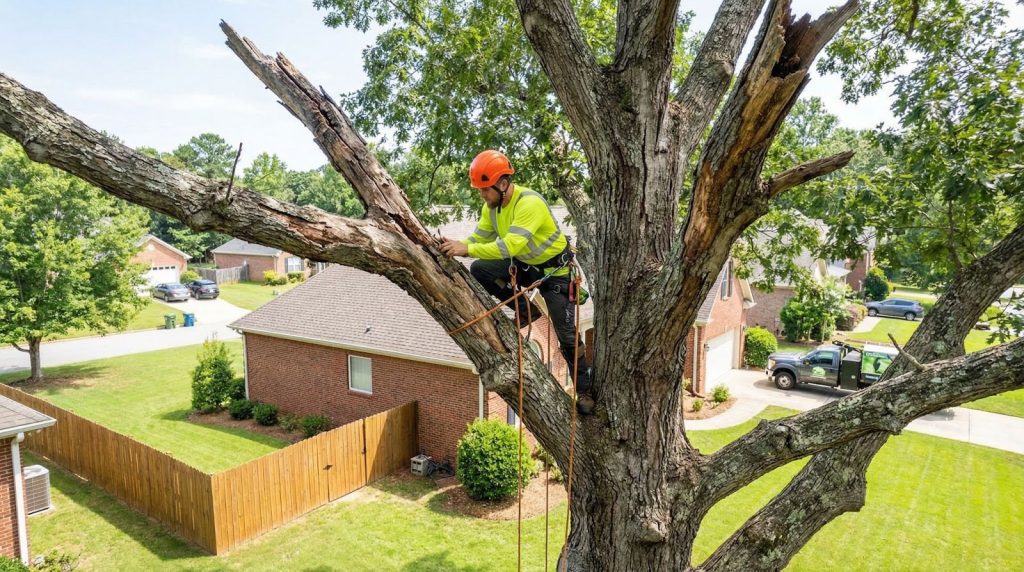
Using a crane, which is often the best option for tree removal in confined spaces. Professional arborists typically remove a tree branch by branch to ensure safety and prevent damage to surrounding property.
Planning a staging area for placing equipment like chipper and log trucks.
Checking for nearby power lines and ensuring safe clearance before removal to prevent hazards and ensure compliance with safety regulations.
Watering the tree and surrounding soil the day before removal is essential to reduce dust and make the soil softer. Attempting tree removal without experience can cause more disruption and risks property damage.
Next, consider the specifics of hiring arborists for the job, using specialized equipment, and ensuring safety.
Hiring Professional Arborists
Certified arborists can evaluate tree’s health and potential plumbing risks before removal. A professional arborist can identify any potential threats that an oak tree poses to plumbing systems, helping avoid costly repairs.
Immediate repair of any detected pipe damage prevents further complications and maintains plumbing integrity.
Using Specialized Equipment
Using specialized equipment is crucial for safely removing trees near underground utilities. Choose an arborist with appropriate equipment to avoid damage during tree removal. The right equipment helps prevent damage to underground utilities during tree removal.
It’s recommended to use camera inspections to thoroughly check plumbing lines for potential issues post-removal.
Safety Gear and Precautions
Safety gear protects against injuries during the tree removal process. Tree removal can be potentially hazardous, so using safety gear and specialized equipment ensures the safety of the workers and prevents potential damage to the property.
Using protective gloves and goggles is crucial for careful tree removal.
Methods to Protect Plumbing During Tree Removal

Protective measures during tree removal are vital to prevent root damage to plumbing. Developing root systems can potentially damage utilities, plumbing, and foundations. In some cases, tree removal is the only option to prevent ongoing damage to plumbing and foundations. However, pruning can sometimes be used as a less invasive alternative to removal if the tree is not yet causing significant damage. Various methods, such as installing root barriers, using chemical root killers, and mechanical root cutting, can effectively manage and prevent root intrusion.
We’ll examine these methods in detail.
Root Barriers Installation
A root barrier is a physical or chemical barrier that blocks root growth. To effectively block tree roots from plumbing:
Construct root barriers from materials like plastic, metal, or stone.
Install barriers 30 to 60 inches deep for effectiveness.
The best time to install root barriers is before planting new trees.
Remove tree stump after grinding to prevent future root growth and protect plumbing.
A biobarrier, a geotextile fabric with herbicide, inhibits root growth. This type of root barrier combines physical and chemical methods to provide a more robust solution against invasive roots. Proper installation of root barriers can help prevent foundation problems and protect your home’s foundation from root intrusion.
Chemical Root Killers
Chemical root inhibitors are effective for several years but require reapplication. These treatments manage root growth that infiltrates plumbing systems. Reapplication of chemical treatments is necessary to maintain their effectiveness against root intrusion. Follow approved guidelines when using chemical root killers to ensure the safety of underground plumbing systems.
Glyphosate herbicide, containing at least 41% glyphosate, can effectively kill roots. Dying copper sulfate or salt mixtures can also kill roots in plumbing systems.
Use chemical treatments responsibly to avoid environmental harm and ensure plumbing safety.
Mechanical Root Cutting
Mechanical augers are designed to remove tree roots invading plumbing systems. The purpose of a mechanical auger is to eliminate tree roots in plumbing systems.
Use mechanical methods to safely cut and remove roots around plumbing lines. This method is effective in providing immediate relief from root intrusion and preventing further damage to the plumbing system.
Post-Removal Inspection and Maintenance
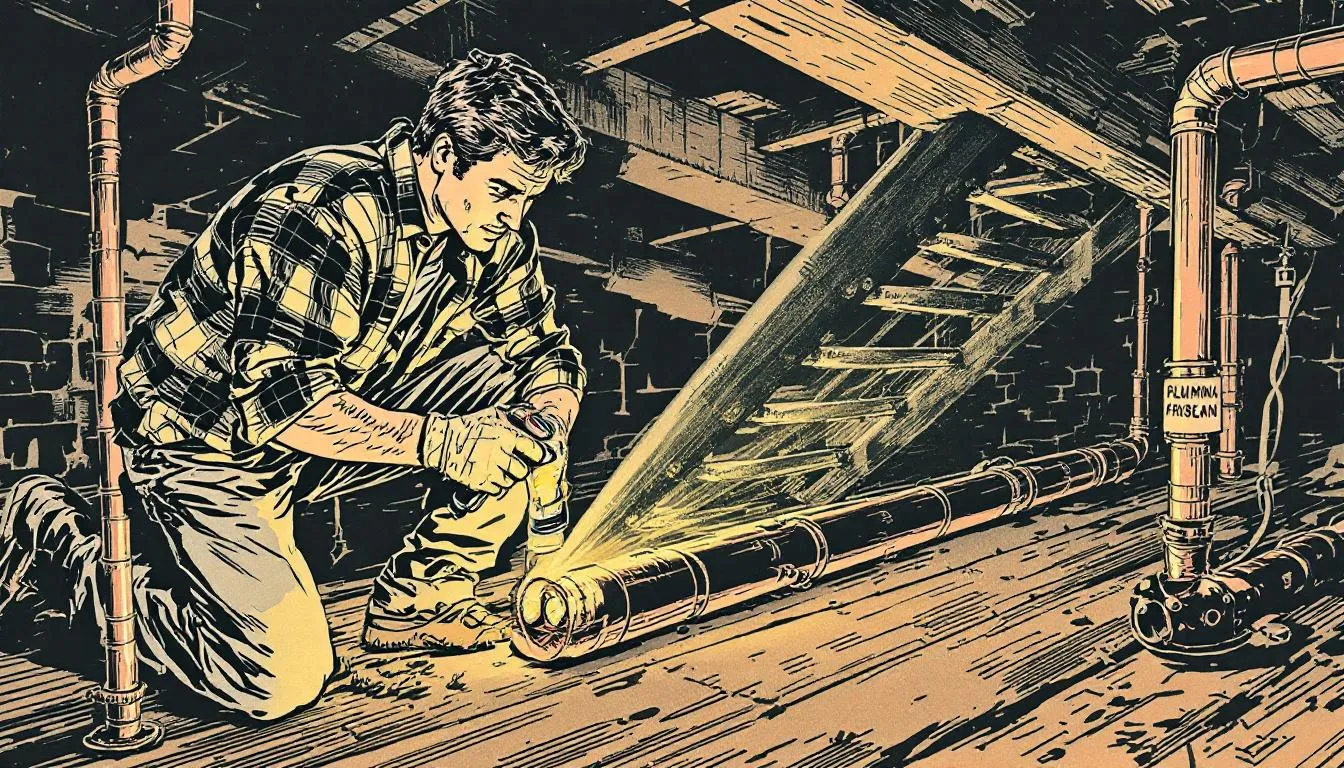
After tree removal, conducting a thorough inspection and maintenance of plumbing systems is crucial to ensure no damage has occurred during the removal process. Tree roots can infiltrate sewer lines, causing significant plumbing issues such as clogs and leaks.
Pipe liners can repair existing pipes and deflect tree roots without excavation. Regular inspections of newly planted poplar tree ensure they are not encroaching on plumbing systems. Proper watering techniques are crucial for newly planted trees to avoid excess moisture near plumbing.
We’ll break down these steps further.
Inspecting Plumbing Lines
A qualified plumber should inspect plumbing lines prior to using a mechanical auger. Post-removal inspection of plumbing lines is essential to check for any damage. This ensures that any issues caused by tree roots are identified and addressed promptly, preventing further complications.
Regular inspections maintain plumbing system integrity and prevent costly repairs.
Repairing Any Damage
Conducting a thorough inspection of plumbing lines post-removal is crucial to check for any damage. Immediate repair is necessary if significant damage is found to prevent further structural damage.
Consider how the tree’s roots might affect your home’s foundation and other structures during removal. Promptly addressing these issues ensures property stability and plumbing system longevity.
Regular Maintenance Tips
Ongoing maintenance practices keep roots at bay after using a mechanical auger. Regular inspections and proper watering techniques help maintain healthy plumbing systems and prevent future root intrusions.
Implementing these practices ensures that your plumbing system remains intact and functions efficiently.
Choosing the Right Replacement Plants
Selecting the right replacement plants after removing a problematic tree prevents future plumbing issues. Plants with shallow root systems help avoid plumbing damage. Additionally, choosing the right replacement plants can enhance your property’s curb appeal while minimizing future plumbing risks. Conduct proper measuring and research before planting trees to avoid root issues.
A certified arborist can help determine if a tree species is invasive. We’ll explore some suitable options and best practices for planting.
Non-Invasive Trees and Shrubs
Shrubs like dogwoods and azaleas typically have non-invasive root systems and are suitable choices. Avoid plants with aggressive root systems, like weeping willows, near plumbing to prevent potential damage.
Plant new trees far from plumbing systems and consider the type of trees chosen. These choices help maintain the integrity of your plumbing and prevent future issues.
Proper Planting Distance
Plant new trees at least 20 feet away from plumbing lines to minimize risks. Consider the mature size of most trees when determining planting distance from plumbing.
For large trees, planting at least 20 feet from the house is recommended to ensure there is enough space. Proper planting distance prevents root intrusion and protects your plumbing system.
Maintaining New Plantings
Roots from newly planted trees and shrubs can find weak points in plumbing or foundations, causing major problems and extensive damage. Regular maintenance, including proper watering techniques and growth monitoring, ensures new plantings grow quickly and receive essential nutrients to avoid becoming a ground problem.
These practices maintain the health of new plants and protect your plumbing system from future damage.
Summary
In summary, understanding the risks of tree removal near plumbing and taking the necessary precautions can save you from significant headaches and expenses. From assessing the risks and identifying signs of plumbing issues to preparing for safe tree removal and choosing the right replacement plants, each step is crucial for maintaining the integrity of your property. Implementing these practices ensures that your plumbing system remains intact and your property is safe from the potential damage caused by invasive tree roots. Remember, a stitch in time saves nine—taking these preventive measures today can prevent major problems tomorrow.
Frequently Asked Questions
Why is it important to identify plumbing lines before tree removal?
Identifying plumbing lines before tree removal is crucial to prevent accidental damage that could lead to costly repairs and service interruptions. Ensuring the integrity of your plumbing system protects your home and your budget.
What are the signs that tree roots are affecting my plumbing?
If you’re experiencing slow drainage, unpleasant odors, or wet spots in your yard, these are clear signs that tree roots may be infiltrating your plumbing. Addressing these issues promptly can prevent further damage.
How can I protect my plumbing during tree removal?
To protect your plumbing during tree removal, install root barriers and consider using chemical root killers or mechanical root cutting to prevent root intrusion. Taking these steps can help safeguard your plumbing system.
What should I do after removing a tree to ensure my plumbing is intact?
After removing a tree, it’s crucial to inspect your plumbing lines thoroughly, repair any damage found, and implement regular maintenance to avoid future problems. This proactive approach will help ensure your plumbing remains intact.
How do I choose the right replacement plants to avoid plumbing issues?
To avoid plumbing issues, choose non-invasive trees and shrubs, plant them at a safe distance from pipes, and commit to consistent maintenance. These steps will help prevent root intrusion and protect your plumbing system.