What Really Drives Tree Removal Cost
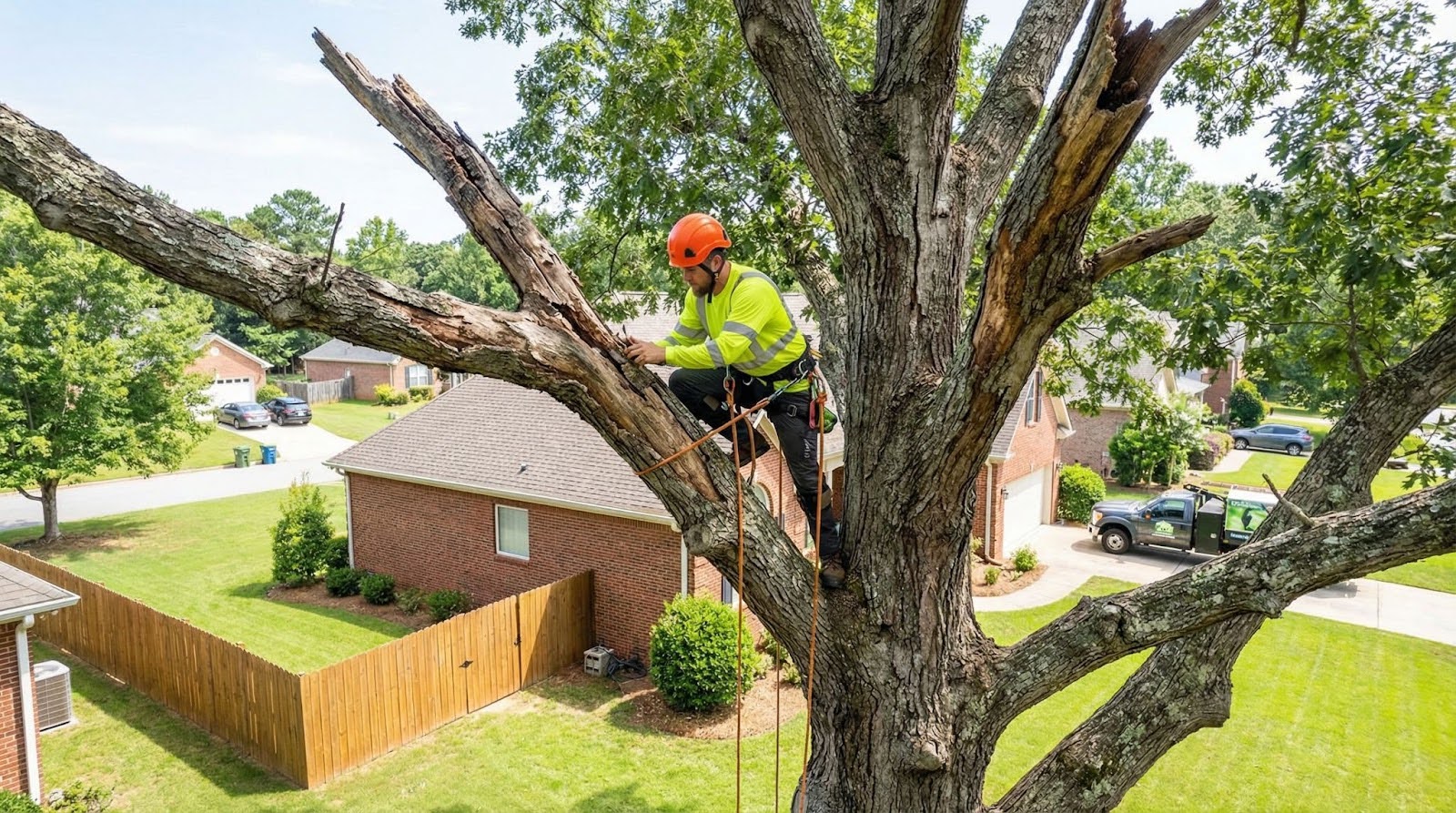
Tree work is more like a small construction project in your yard than a simple flat-fee service, and the cost of tree removal can vary a lot from one property to the next. The same sized tree can be simple in one yard and a full tree removal job in another, especially in hard to reach places or tight spots near the house.
Several factors significantly impact the removal cost:
- Tree’s size and type
- Taller trees with thick trunks take more cutting, more rigging, and more time, which raises the overall cost.
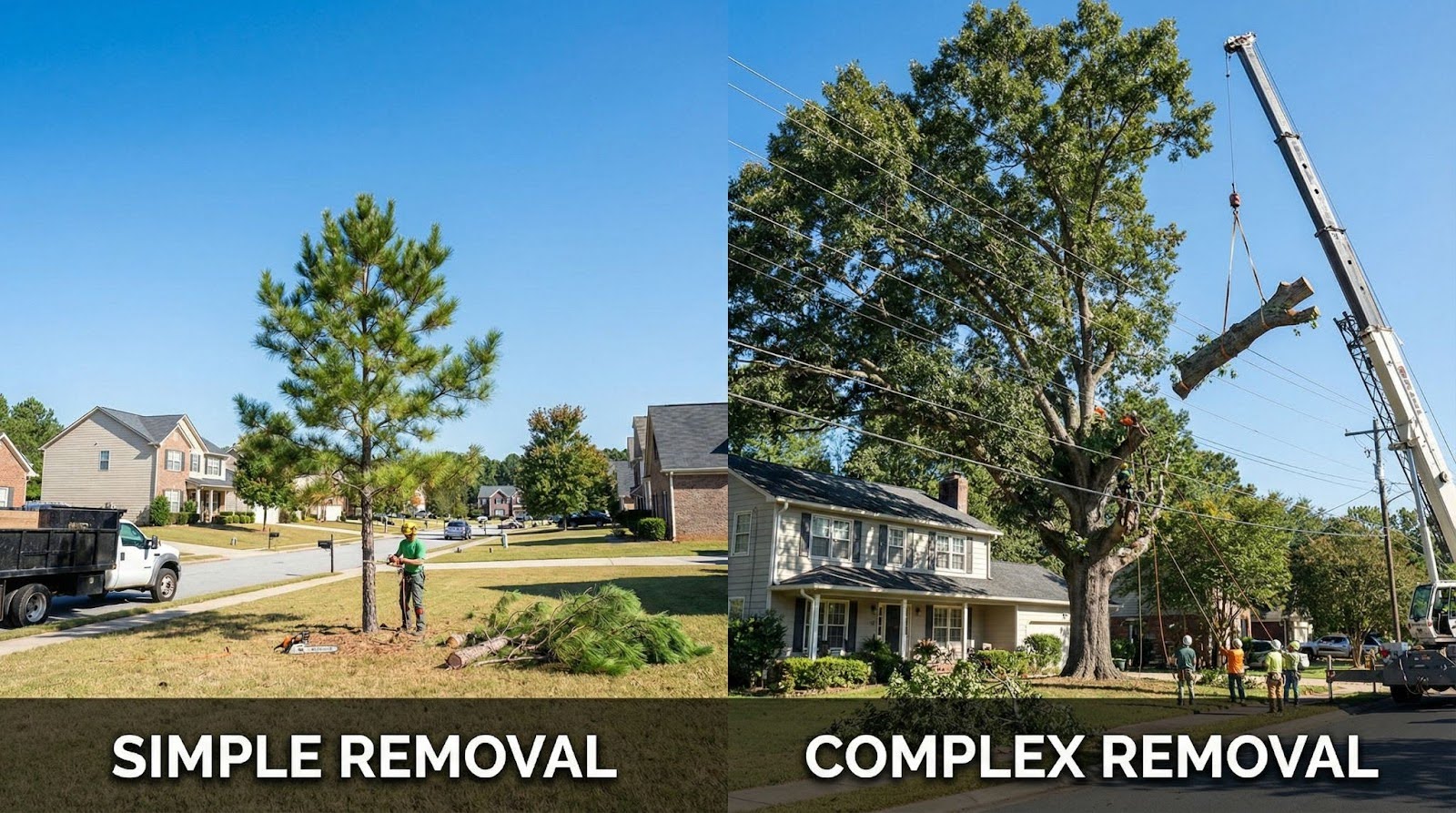
- Small trees or a single healthy tree out in the open are usually on the lower end of the average price range, while large trees or a dying tree with decay are at the higher end.
- Taller trees with thick trunks take more cutting, more rigging, and more time, which raises the overall cost.
- Tree’s location and risk
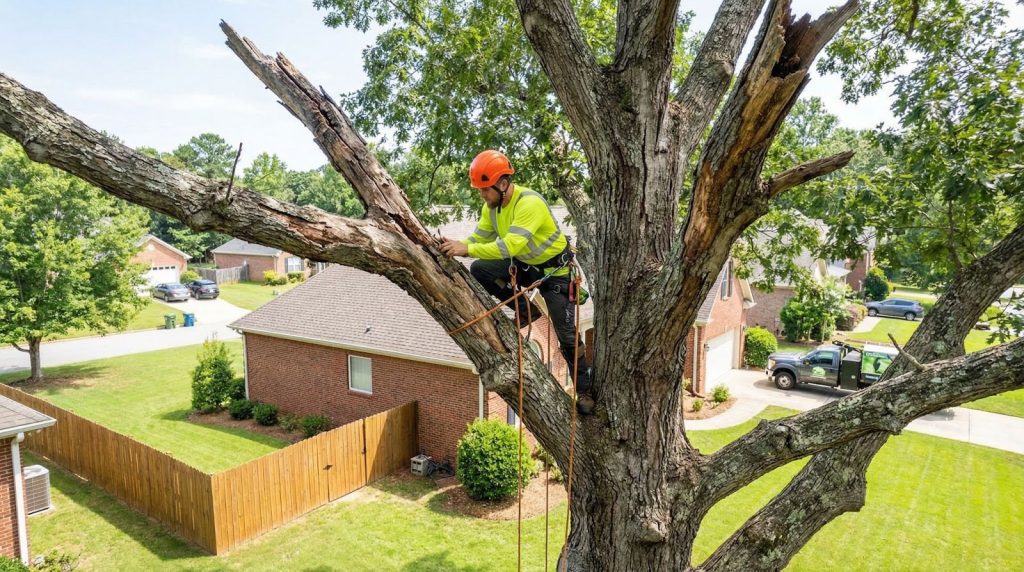
- The tree’s location matters: close to nearby structures, power lines, fences, pools, or other structures means extra precautions and specialized equipment.
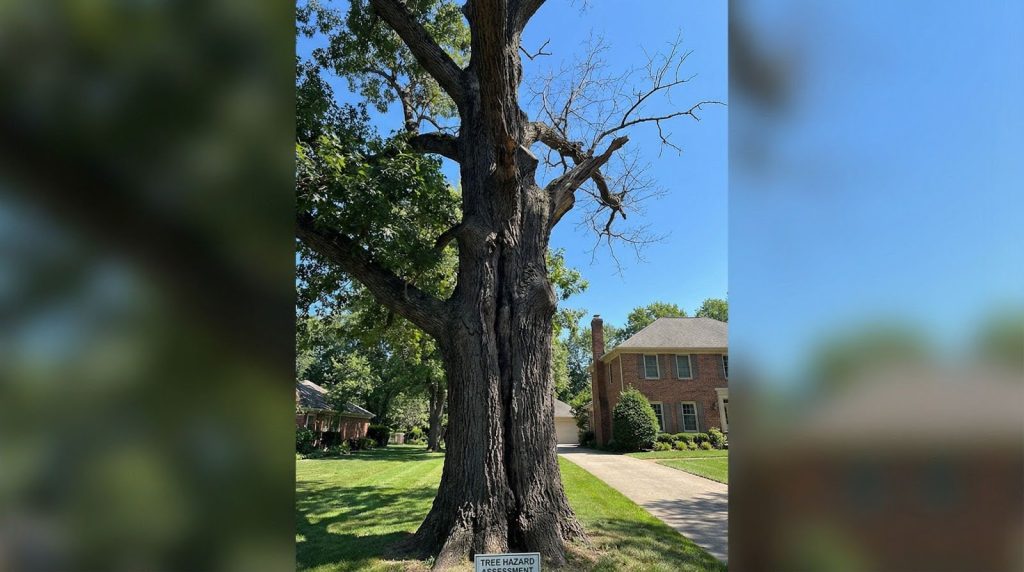
- If a tree poses a safety risk because of cracks, a weak tree trunk, overgrown branches, or an immediate risk of failure, it becomes a more technical tree removal process.
- The tree’s location matters: close to nearby structures, power lines, fences, pools, or other structures means extra precautions and specialized equipment.
- Access, cleanup, and additional services
- Easy access with proper equipment and a clear surrounding area helps keep the total cost down.
- Tight backyards, steep slopes, or multiple trees in cluttered areas mean more labor, more time, and often more debris removal and wood chipping.
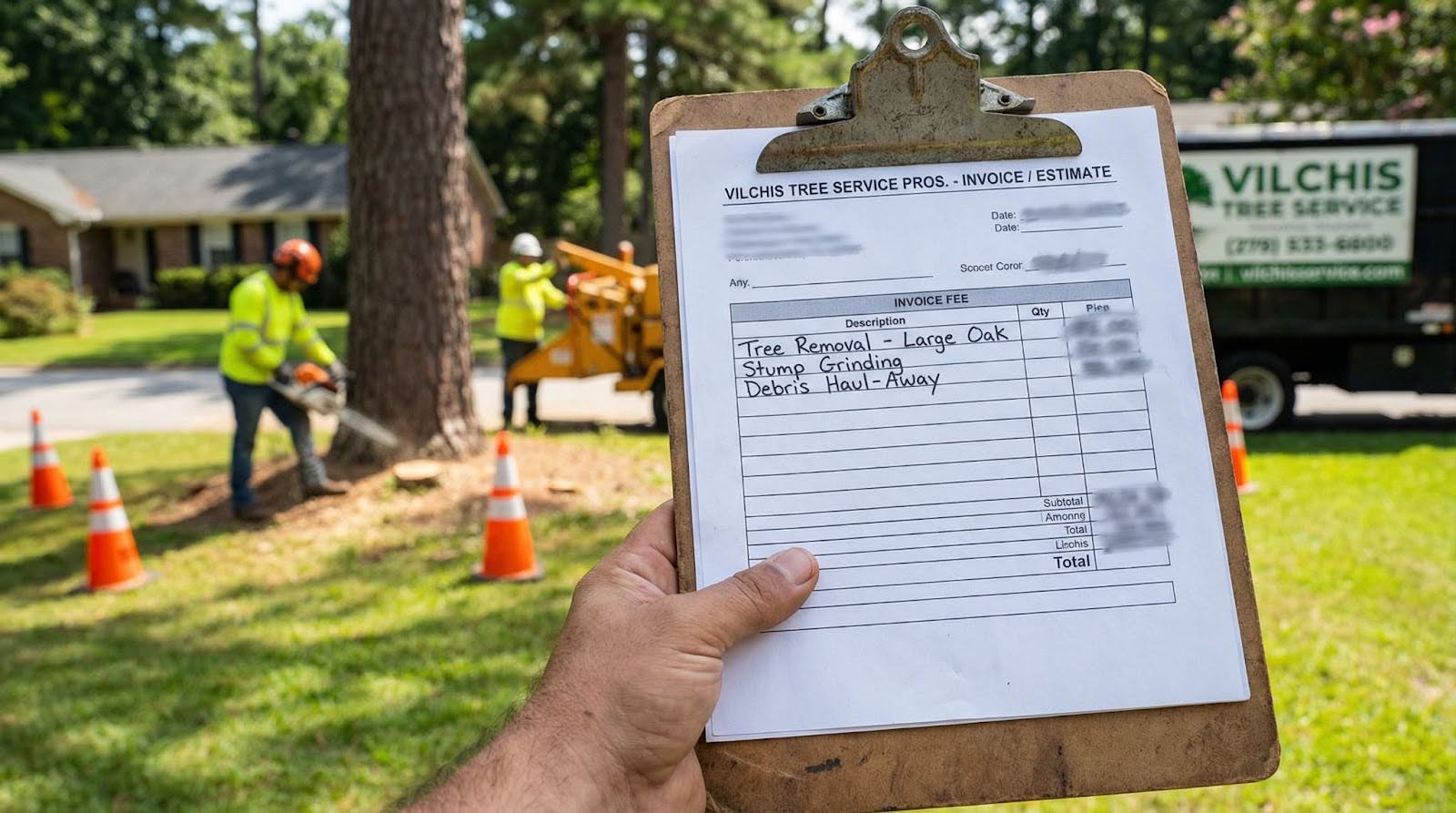
- Stump removal or stump grinding, hauling, and other additional services add to the final cost when you need everything cleaned up.
- Easy access with proper equipment and a clear surrounding area helps keep the total cost down.
If a large tree is big, close to your home, and hanging over important parts of your yard, expect that tree removal service in Dallas to be on the higher side of the average cost range.
Typical Cost Ranges You Can Expect
Every yard in Kennesaw, Acworth, Marietta, and Dallas is different, so any accurate estimate has to come from someone who has actually seen your trees and your root systems up close. In general, though, tree removal services are priced by the tree’s size, tree species, risk level, and how difficult it is to safely remove it.
You will usually see patterns like this:
- Small trees
- Small trees and simple jobs, like removing a tree that is short, away from structures, and easy to access, often land in the “few hundred” range for a single tree.
- Medium trees
- Medium trees with moderate height and some obstacles around them typically fall somewhere in the mid hundreds, depending on tree condition and tree type.
- Large trees and high‑risk trees
- Large trees or damaged trees near roofs, power lines, or other structures cost more, especially if specialized equipment or a stump grinder is needed.
- If you want a tree removed plus stump grinding and no debris left behind, expect an additional cost on top of the base removal process.
- Large trees or damaged trees near roofs, power lines, or other structures cost more, especially if specialized equipment or a stump grinder is needed.
The average cost people talk about online is just a starting point; what you actually pay will vary based on several factors and your specific yard, not national labor statistics or generic rural areas vs suburbs charts.
When Homeowners Insurance Helps (and When It Does Not)
Homeowners insurance can lower the overall expense of tree work in some storm damage situations, but it does not cover every tree removal job.
In simple terms:
- Insurance is more likely to help when:
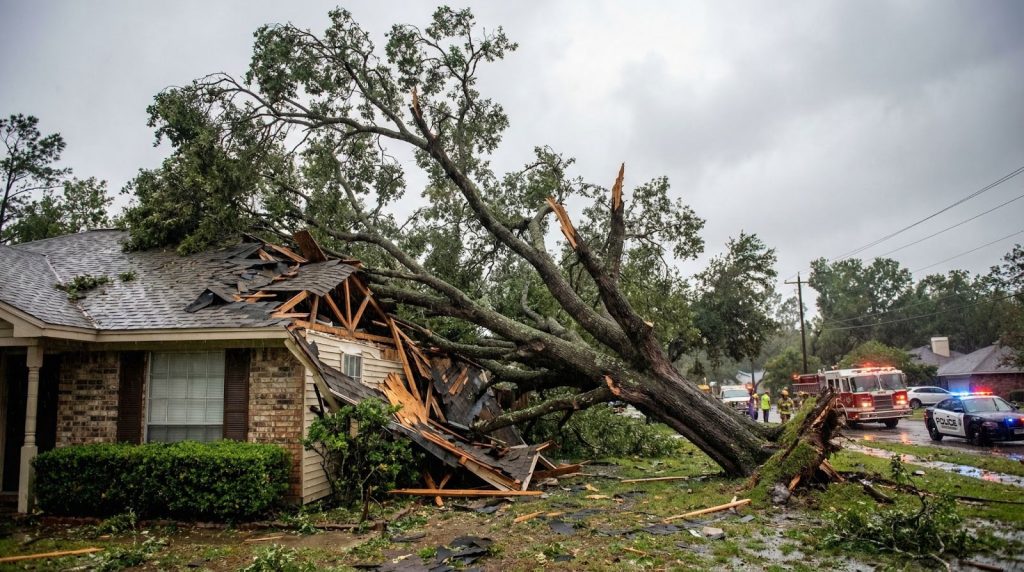
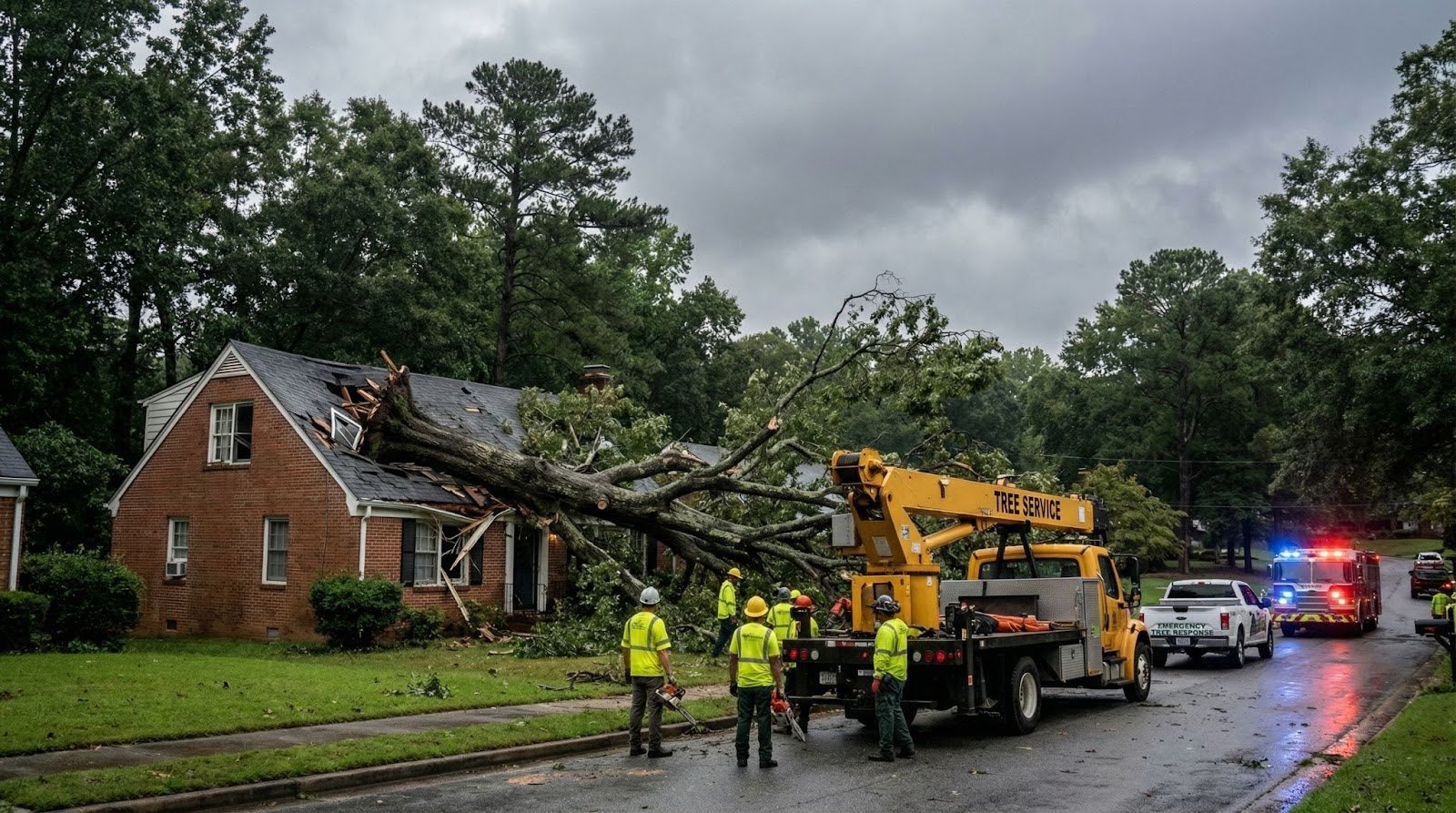
- A storm damage event, like wind or lightning, makes a tree fall and that tree falls on your house, garage, fence, or other covered structures.
- The insurance company pays to have the tree removed from the building and for repairs, sometimes including part of the debris removal.
- A storm damage event, like wind or lightning, makes a tree fall and that tree falls on your house, garage, fence, or other covered structures.
- Insurance usually does not help when:
- The tree is still standing, looks unsafe, or has an extensive root systems problem, but has not failed yet.
- Fallen trees land only in the yard and do not hit anything the policy covers.
- You simply want to remove trees for more sun, less mess, or to change the natural beauty of your landscaping.
- The tree is still standing, looks unsafe, or has an extensive root systems problem, but has not failed yet.
If a tree falls on something important:
- Make sure everyone is safe and stay away if tree falls have brought down lines or created a safety risk.
- Call the power company if power lines are involved.
- Take photos and videos of the tree removal job area, the surrounding area, and the damage.
- Call your homeowners insurance company and open a claim before too much cleanup happens.
- Bring in professional tree removal services that understand the tree removal process in insurance situations and can document what it took to safely remove the tree.
A good professional tree service does not replace your insurance company, but it makes the removal process smoother by providing a clear invoice, notes on the tree’s location, and before and after photos.
For more details on how homeowners insurance policies typically handle tree damage, the Insurance Information Institute provides comprehensive guidance on coverage scenarios and claim processes.
Ways to Save Money Without Cutting Corners
There are real ways to save money on the overall cost of removing a tree without risking your house or hiring someone who is not insured.
Smart options:
- Combine work and plan ahead
- If you have multiple trees that need work, doing them in one tree removal job often lowers the average cost per tree.
- You can ask about trimming overgrown branches or doing stump grinding at the same time while the crew and equipment are already there.
- If you have multiple trees that need work, doing them in one tree removal job often lowers the average cost per tree.
- Be flexible on timing
- If it is not emergency tree removal, being flexible about the date lets a professional tree service group your job with others in your area, which can help save money.
- Know when not to DIY tree removal
- DIY tree removal is tempting when you want to lower the removal cost, but removing a tree near power lines or a roof is risky without proper equipment and training.
- Cutting small branches or light pruning is one thing; safely remove a dead tree with heavy branches over a driveway is another.
- DIY tree removal is tempting when you want to lower the removal cost, but removing a tree near power lines or a roof is risky without proper equipment and training.
The one place not to cut corners is safety and insurance; a cheap quote from someone who is not a professional tree removal company can turn into a big bill if something goes wrong.

When Removal Is the Smart Move
As an arborist, the goal is not to remove trees just because they are there; it is to remove a tree when it truly makes sense.
Removal is worth considering when:
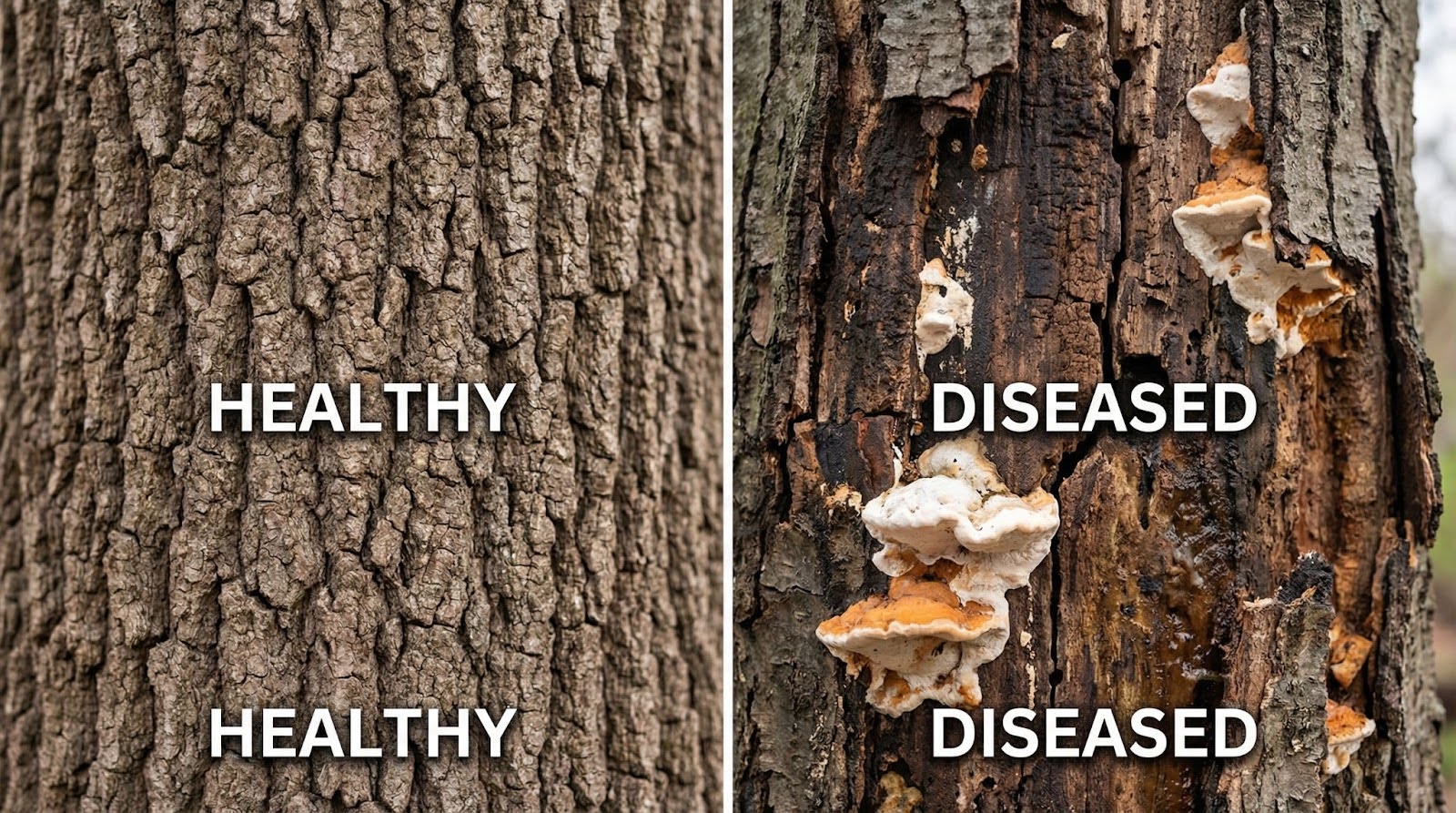
- The tree condition shows rot, deep cracks, or cavities and the tree poses a clear safety risk.
- The tree’s location is over the house, driveway, or where people spend time, especially if you see dead tree limbs over those spots.
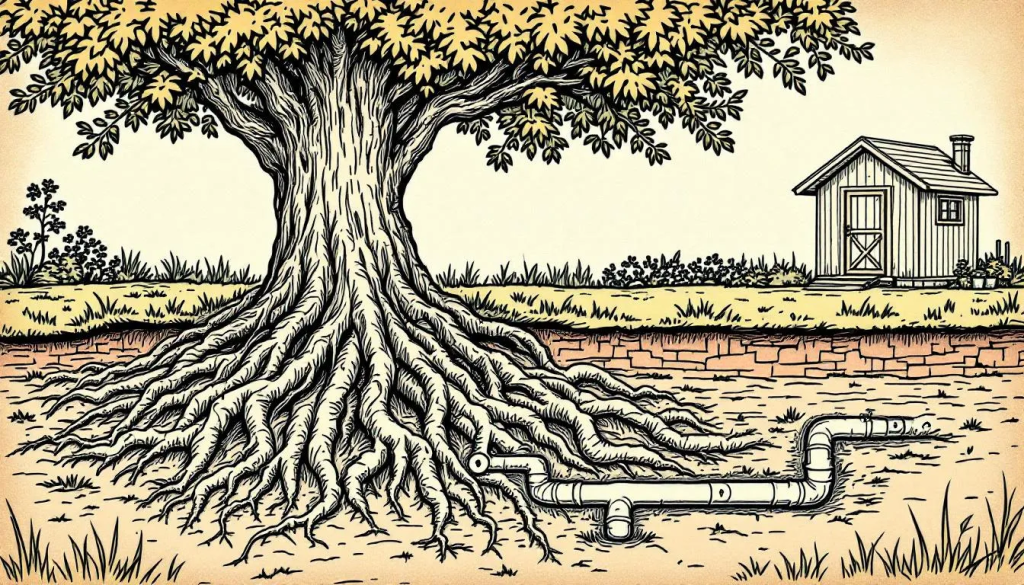
- Roots and root systems are already lifting sidewalks or damaging structures, or the tree type is known for shallow roots and instability.
- You are planning a pool, an addition, or other work and having the tree removed now will save money later.
A walk through with someone who does this every day is usually the fastest way to tell whether you should keep a healthy tree, remove trees that are failing, or just do pruning for now.
How an Arborist Looks at Your Property
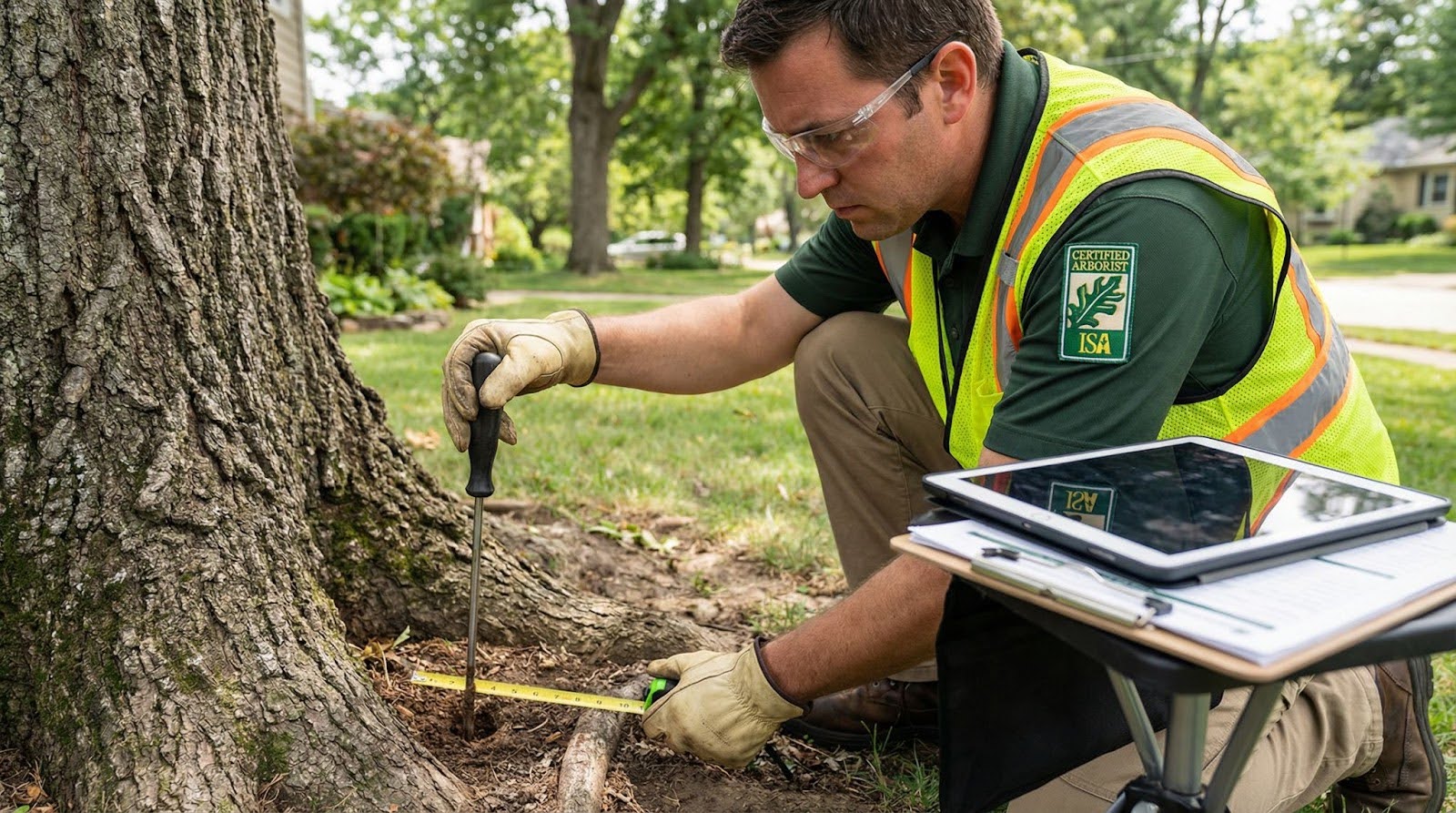
When walking your yard in Kennesaw, Acworth, Marietta, or Dallas, a careful pro is looking well beyond just “big or small trees.”
What gets checked:
- Structural issues in the tree trunk, main unions, and major branches.
- Root systems and soil around the base, including fungi, soft spots, or heaving that show deeper problems.
- Clearance around roofs, driveways, decks, and other structures in the surrounding area.
- Tree species and how that tree type behaves in storms, plus whether anything might be a protected species.
From there, you get options:
- Removing a tree entirely versus heavy pruning, cabling, or monitoring.
- Doing the most urgent work now and scheduling less urgent trees later so you can spread out the overall expense.
- Choosing whether stump grinding or stump removal should be included, or if you are fine leaving the stump for now.
You should come away with a clear plan, an accurate estimate, and a sense of which trees are just providing shade and which ones really need attention. Whether you’re in Acworth, Marietta, or Kennesaw, our team provides the same thorough evaluation process.
Encouragement From a “Tree Person”
If you are staring at a big oak and wondering “How much does tree removal actually cost for this thing?” you are not alone. The best move is usually to have a professional tree removal services crew take a look, explain the removal process, and give you a straightforward number you can understand.
Tree removal cost will always vary based on several factors, but dealing with problem trees before they become storm damage in the middle of the night is almost always the way to save money, stress, and your home’s natural beauty in the long run.