
Marietta has changed over the years. Streets have widened. New buildings have gone up. But under the pavement and behind some of the older sidewalks, signs of the past remain. One part of Marietta’s history that many people forget is the trolley system. These electric streetcars were a crucial part of the city’s transportation system, moving people across town and into Atlanta. They were quiet, efficient, and part of everyday life for thousands of residents.
The trolley lines in Marietta began in the early 1900s. The city wanted to connect with nearby communities and make travel easier for workers and families. The streetcar lines made it possible to get from Marietta to Atlanta without a car. At the time, this was a big deal. It gave people access to jobs, shops, and services beyond their neighborhoods.
The streetcar line that connected Marietta to Atlanta was part of a larger system. Known as the Atlanta Northern Railway, it operated electric streetcars between the two cities. The streetcar lines extended northwest from downtown Atlanta, connecting various neighborhoods and cities. The trolleys followed a route that is now mostly covered by modern roads. But if you know where to look, you can still find traces of where they once ran.
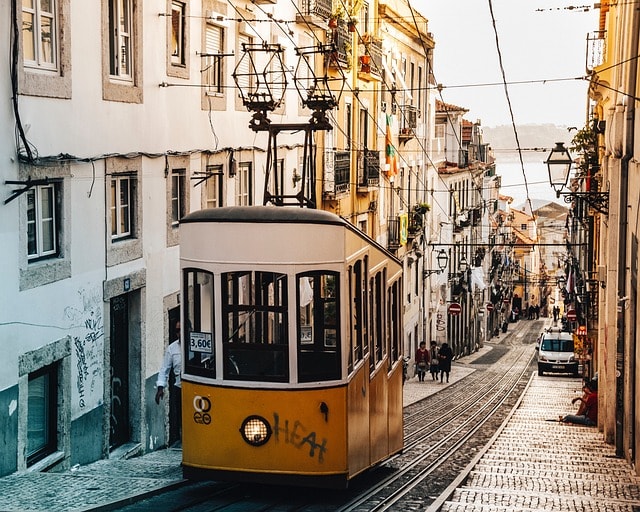
Riding the trolley was part of daily life. Workers boarded in the morning and returned in the evening. Schoolchildren took the trolley to nearby schools, maneuvering through the city’s traffic with ease. People rode it to shop in downtown Marietta or to go into Atlanta for special events. The ride was smooth and quiet. The electric lines above the street kept the cars moving without smoke or noise from engines.
The trolleys were clean and on time. They stopped at regular points, and people knew the schedule. Drivers knew the passengers. It felt like a shared experience. In a growing town like Marietta, the trolley helped people stay connected, operating efficiently and reliably.
The trolley line came down from downtown Atlanta and passed through Smyrna. It reached into Marietta near Church Street and Atlanta Street. Some of the oldest curbs along these roads still show marks from the tracks. The lines extended north, reaching into Marietta near Church Street and Atlanta Street. At one time, the trolley line curved around Marietta Square and continued through other parts of the city.
Many people remember seeing the tracks near the old courthouse and the corner of Church Street. The lines crossed what are now busy intersections. Long before buses or cars filled the roads, these steel rails were the main way to get around.
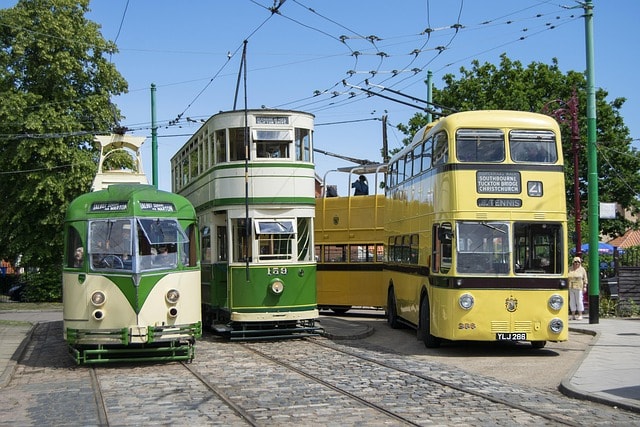
The trolley lines ran for a few decades. But by the 1940s, more people had cars. Roads were paved for faster travel. The demand for trolleys dropped. Buses began to take over public transit routes. World War II also played a role, as tire rationing temporarily halted the conversion of old streetcars to more modern trackless trolleys. By the mid-century, the tracks were being pulled up or covered. Over time, people forgot about them.
Some of the last trolley poles remained into the 1950s. A few were cut down when sidewalks expanded, marking the end of their service. Others were buried as road projects moved forward. The era ended quietly. One day the streetcars stopped running, and the city kept moving forward. Some of the old trolley cars were sold to private individuals for alternative uses.
Some longtime residents still remember the sound of the trolley. One man recalled riding it with his mom to visit family in Atlanta. He said the trolley rocked gently and smelled like metal and dust, reminding him of stories his dad used to tell. A retired shopkeeper on Church Street remembers seeing sparks at night as the trolley wires lit up the street. These memories live on, even though the tracks are gone. Many children of that era have similar fond memories of the trolley rides.
Parts of the old trolley path are now located under sidewalks or driveways. In some areas, bricks still cover sections where tracks once ran. A few markers around the city note the historic routes. Near Atlanta Street, small patches of metal rail peek through cracked pavement. Locals who know the history can point them out.
Some of the old trolley property has been repurposed for modern use.
Historical groups in Marietta sometimes host walking tours that include trolley history and the construction of the original lines. They point out landmarks and explain how the system shaped the city’s growth. The trolley helped shape where neighborhoods formed and where businesses opened.
Understanding the trolley system helps us understand Marietta. It shows how people used to move and connect, and how the trolley system spurred urban development. It reminds us that growth comes from smart ideas and shared effort. The trolley may be gone, but it helped build the streets and routines that still exist today, carrying the stories of the past.
It’s easy to forget this part of local history. But when we remember it, we see the city differently, and become more interested in its rich history. We recognize old paths, not just as roads, but as pieces of a larger story. That story helps us feel rooted. It reminds us that progress has always been part of Marietta’s identity.

Vilchis Tree Services Pro of Marietta is proud to support our local community and its history. We provide tree removal, trimming, and emergency services with safety and care. Our team lives and works in Marietta. We treat every job with respect and responsibility. Whether we are clearing a storm-damaged tree or shaping one to grow better, we bring the same effort every time.
The old trolley lines may be out of sight, but they are not forgotten. They helped shape Marietta into the city it is today, with the rail line playing a crucial role. Many enthusiasts and historians continue to find photos of the old trolley system to preserve its memory. The next time you walk near the square or drive along Atlanta Street, think about the tracks that once ran there. Remember the people who rode them. Remember the city they helped build. History lives under our feet and among the trees, even when we can’t see it.