How Big Shanty Became Kennesaw: A Look at the Town’s Name Change and Identity
By a longtime local who still calls it Big Shanty sometimes
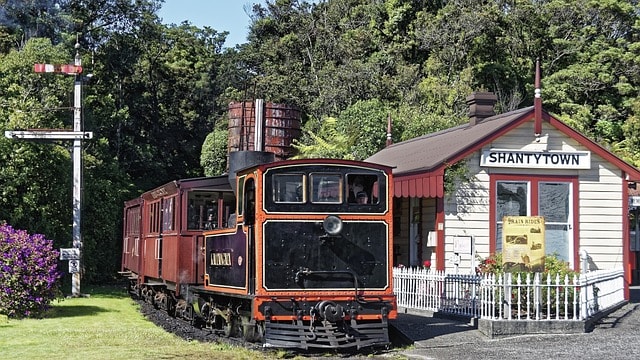
At the beginning, before it was Kennesaw, it was Big Shanty. The name came from the rows of small buildings—or shanties—set up near the railroad during the mid-1800s. These buildings housed workers who helped build and maintain the tracks. The site was small, rough, and loud. But it became the start of something bigger.
Big Shanty started as a work camp. Then it became a railroad stop. Over time, it grew into a small town with shops, homes, and local pride. Even after the name changed, many locals kept using the old one. And if you’ve lived here for years, you’ve heard someone say, “Back when this was Big Shanty…”
Kennesaw is located just northwest of Marietta, making it closely connected to the history and development of the area.
Introduction to Kennesaw: From Humble Beginnings
Nestled in Cobb County, Kennesaw, Georgia, has roots that stretch back to the 1830s, when the promise of the Western & Atlantic Railroad first brought new life to this corner of North Georgia. What began as a cluster of shanties for railroad workers—known as the Big Shanty Grade—quickly grew into a bustling hub, thanks to the steady rhythm of trains and the opportunities they delivered. The railroad didn’t just bring jobs; it brought families, shops, and the beginnings of a real town.
Kennesaw’s early days were shaped by the iron rails and the events of the Civil War. The city played a starring role in the Great Locomotive Chase on April 12, 1862, when Union spies made off with a train right from the Big Shanty depot, setting off a legendary pursuit that would put the town on the map. Today, the Southern Museum of Civil War and Locomotive History stands as a testament to this dramatic past, drawing visitors from across Georgia and beyond. Inside, you’ll find artifacts, photographs, and even the famous locomotive “The General,” all telling the story of how the railroad and the war shaped Kennesaw’s identity.
The city’s location—just a short drive from Atlanta—makes it a perfect gateway to the history and natural beauty of North Georgia. The historic downtown area, with its preserved buildings and the old train depot-turned-museum, invites you to step back in time. Whether you’re hiking the trails of Kennesaw Mountain, exploring the Southern Museum, or enjoying a meal in a local restaurant, you’ll find that the spirit of Big Shanty is never far away. For families, history buffs, and anyone curious about the Civil War or locomotive history, Kennesaw offers a unique blend of small-town charm and big stories.
The name Big Shanty was all about function
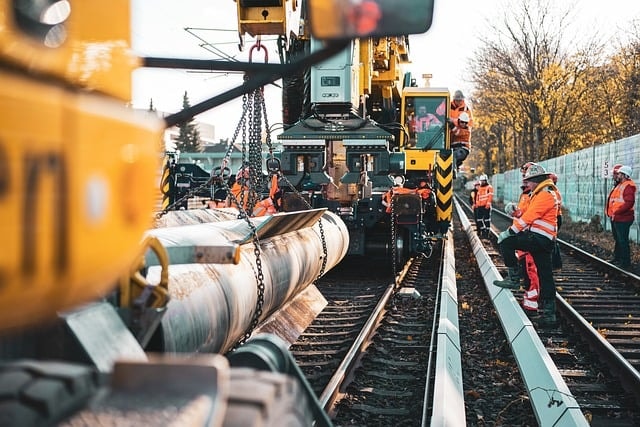
The original name was practical. There were big shanties along the tracks. People working the railroad needed a place to live, eat, and rest. So, the area became known as Big Shanty. It wasn’t a fancy name. It wasn’t poetic. But it made sense. The workers didn’t come here to start a town. They came to keep trains moving.
As more individuals from diverse backgrounds arrived and the railroad stop became permanent, the name stuck. Big Shanty showed up on maps and in letters. It became part of the identity of the area. People said it with pride. It was a town built by the hard work and contributions of many individuals, not by politics or wealth.
The Civil War Great Locomotive Chase made Big Shanty famous
In 1862, a group of Union spies led by James J. Andrews, known as Andrews’ Raiders, devised a daring plan to steal a train from the depot at Big Shanty during the night. The train, called The General, was their target. The raiders aimed to drive it north toward Chattanooga, cutting tracks and telegraph lines along the way to disrupt Confederate supply routes. Conductor William Fuller, realizing the theft, began a relentless pursuit, chasing the stolen train for several miles and covering hundreds of yards before the raiders were finally caught.
This event became known as the Great Locomotive Chase. It brought national attention to the small depot town. Newspapers across the country printed the name Big Shanty. People who had never heard of it suddenly knew where it was. That story is still part of local tours and school lessons today.
Post-War Development: Rebuilding and Reinventing
After the smoke of the Civil War cleared, Kennesaw faced the challenge of rebuilding from the ground up. The Western & Atlantic Railroad remained the backbone of the city’s economy, helping to attract new industries and businesses eager to take advantage of the growing rail network. As the decades rolled on, Kennesaw’s proximity to Atlanta made it a magnet for people looking to start fresh, open businesses, and build new lives.
World War II brought another wave of change, as military bases and training facilities sprang up in the area, bringing jobs and new residents. The city’s economy diversified, with manufacturing and textiles joining the mix alongside the ever-present railroad. The construction of Interstate 75 and other major highways in the mid-20th century made it even easier for people and goods to move in and out of Kennesaw, fueling a period of rapid suburban growth.
By the latter half of the 20th century, Kennesaw had transformed from a quiet railroad town into a thriving suburb. New neighborhoods, schools, and businesses sprang up, drawing families who valued the city’s strong schools, low crime, and high quality of life. The historic downtown area remained a focal point, with the Southern Museum of Civil War and Locomotive History anchoring the community’s connection to its past. Today, Kennesaw stands as a vibrant city that honors its history while embracing the future—a place where the echoes of the Civil War and the whistle of the train are never far from daily life.
Why the name changed to Kennesaw
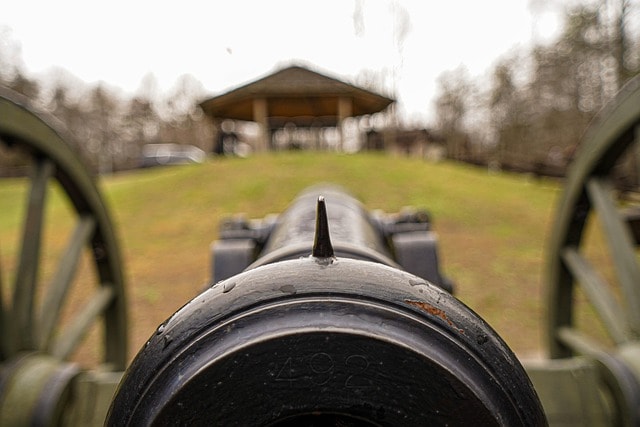
After the Civil War, the town grew. By the late 1800s, local leaders wanted a name that reflected more than just the railroad. They looked to the nearby Kennesaw Mountain for inspiration. The word Kennesaw comes from a Cherokee word meaning “burial ground.” It was a name with history and a deeper connection to the land.
In 1887, the town officially adopted the name Kennesaw. This change was formalized through an act of the state legislature of Georgia, reflecting the state’s process for naming and incorporating towns. As part of Cobb County, one of the many counties in Georgia, Kennesaw’s identity and governance were shaped by its relationship to neighboring counties and the broader county system. The post office changed. The signs changed. But the people didn’t forget. For many, Big Shanty was still the name they used. It reminded them of the old town, the depot, and the stories passed down through families.
Economic Expansion: Growth Along the Rails
Kennesaw’s story has always been linked to the rails. The Western & Atlantic Railroad, which first put the city on the map, continues to shape its economic landscape. Over the years, businesses and industries have flocked to Kennesaw to take advantage of its strategic location along the railroad and its easy access to Atlanta, Georgia’s capital and largest city.
The arrival of new highways and interchanges only accelerated this growth, making Kennesaw a crossroads for commerce in North Georgia. Today, the city boasts a diverse economy, with manufacturing, textiles, and technology companies calling it home. Tourism also plays a big role, as visitors come to explore the city’s rich Civil War and locomotive history at the Southern Museum, stroll through the historic downtown, and enjoy the shops and restaurants that line its streets.
Kennesaw’s economic engine shows no signs of slowing down. New businesses and industries continue to set up shop, drawn by the city’s strong infrastructure, skilled workforce, and high quality of life. Whether you’re a history buff, a business owner, or a family looking for a great place to live, Kennesaw offers the best of both worlds: a city with deep roots in Georgia’s past and a bright future ahead.
Locals still say Big Shanty
Drive through Kennesaw today and you’ll still see the name Big Shanty. There’s Big Shanty Road. There’s Big Shanty Park. Events like the Big Shanty Festival draw thousands of visitors every spring. Businesses still use the name. Long-time residents say it with a smile.
For many people, Big Shanty means more than a place. It means hard work. It means grit. It means old friends and old stories. Kennesaw may be the official name, but Big Shanty is the name that holds local meaning. Like many other cities in Georgia, Kennesaw maintains its unique identity through the preservation of historic names and traditions.
Stories from old-timers
If you talk to someone who’s lived here for decades, they’ll tell you how much has changed. They’ll also tell you what hasn’t. One man might say, “This whole side of town was woods when I was a kid.” A woman might recall riding her bike down dirt roads near Big Shanty Elementary. These stories often mention how certain portions of the town, once farmland or forest, have been transformed over the years. These stories always start with a strong voice and a quiet laugh.
Many remember the trains, the old shops, and summer days before everything was paved. And even if they say “Kennesaw” on their mail, they still think of their town as Big Shanty at heart.
The Big Shanty Festival keeps the name alive
Each April, the Big Shanty Festival brings thousands of people downtown. There are booths, food trucks, crafts, and live music. Children can play in designated play areas and enjoy special activities designed just for them. But the name matters. It honors the town’s past. It reminds people that Kennesaw wasn’t always polished. It was built from the tracks up. The festival is one of the biggest events in the area, and locals plan around it every year.
Big Shanty as a local marker
Locals use Big Shanty in daily directions. “Take a left at Big Shanty,” or “It’s just past the Big Shanty intersection.” The name Big Shanty remains visible on street signs, parks, and local businesses, making it easy for residents and visitors to recognize. GPS may say Kennesaw, but people trust street names. The name helps people place themselves. It connects present-day locations to stories from the past.
What the name means today
Today, Kennesaw is a mix of old and new. The city has grown. New neighborhoods, shopping centers, and schools have changed the landscape. But Big Shanty remains part of the story. The name is a reminder that this town started small, with simple tools and simple goals.
Big Shanty is part of the identity. It’s a link between generations. Children may grow up calling it Kennesaw, but they learn about Big Shanty from their parents and grandparents. By engaging children in learning about Big Shanty, the story continues to stay alive.
Vilchis Tree Services Pro of Kennesaw: Serving Our Community with Care
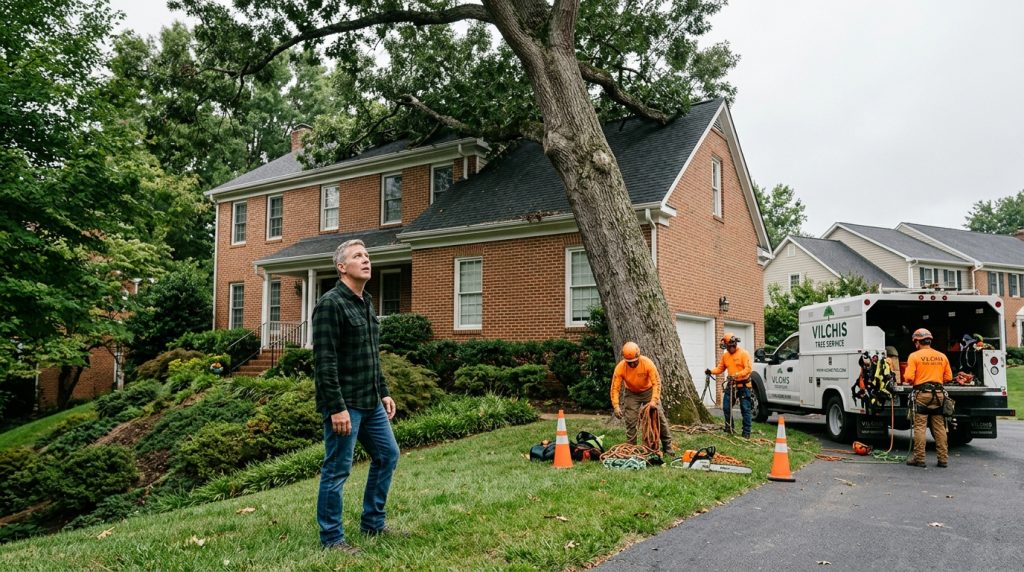
Vilchis Tree Services Pro of Kennesaw is proud to serve the families and neighborhoods of this area. We understand the value of history, land, property, and community. Our team offers safe and dependable tree removal, trimming, and storm cleanup. We work hard to keep properties clean and safe. We respond quickly and finish every job with care and attention.
Final thoughts
The name Big Shanty may be part of the past, but it still shapes the identity of Kennesaw. Locals hold on to it because it means something real. It reminds people of where this town came from. It connects generations through stories, roads, and yearly events. And for those of us who’ve lived here long enough, we know—it’s not just history. It’s home.
Now that you know the story behind Kennesaw’s name…
Discover the landscapes locals treasure most in our next post: Secret Hiking Trails and Lookouts Around Kennesaw Mountain Only Locals Know.