Categories
Kennesaw

The Hidden Stories of Kennesaw Mountain National Battlefield Park

The Hidden Stories of Kennesaw Mountain National Battlefield Park

By a long-time local who knows the land

Kennesaw Mountain National Battlefield Park is known for its Civil War history. People come from all over to hike the trails, tour the museum, and walk the battle lines. But locals know there’s more to this mountain than what’s in the brochures. If you’ve lived in Kennesaw for years, you’ve probably heard a few stories that never made it into history books.

From strange sightings to trails that lead to quiet places, the park holds many surprises. Some are spooky. Some are peaceful. All are part of the fabric of this town. Here are some of the hidden stories that long-time Kennesaw residents talk about when the sun goes down and the trails empty out.

Introduction to the Park

Kennesaw Mountain National Battlefield Park stands as one of Georgia’s most treasured historic sites, drawing visitors from across the country to experience its unique blend of history and natural beauty. Nestled in Cobb County, only a few minutes from the heart of Atlanta, this park preserves the memory of one of the pivotal battles of the American Civil War. The city of Atlanta, just down the road, was a major prize during the war, and the ground around Kennesaw Mountain saw fierce fighting as Union and Confederate soldiers clashed during the Atlanta Campaign.

The park’s visitor center is the perfect starting point for any trip. Here, rangers greet you with stories and insights, and a variety of exhibits bring the past to life. You’ll find artifacts, maps, and interactive displays that help you understand the scale and significance of the battle that took place on these very hills. The visitor center also offers programs for all ages, making it easy to dive into the park’s long history.
war, reenactment, battle, soldiers, military, historic, reconstruction, infantry, battlefield, ww1, world war 1, wwi, world war i, first world war, world war one, brown world, brown war, war, war, war, war, war, battlefield, battlefield, battlefield, battlefield, ww1, ww1

As you explore the battlefield, you’ll come across the Illinois Monument, a striking tribute to the soldiers who fought and died here. The monument stands as a reminder of the sacrifices made on this ground, and is a must-see for anyone interested in Civil War history. The park’s self-guided tour is well-marked with signs and markers, guiding you through key points of the battle and sharing stories of the men who fought on both sides.

But Kennesaw Mountain National Battlefield Park isn’t just about history—it’s also a haven for outdoor lovers. The hiking trails wind through forests and over ridges, offering stunning views of the surrounding mountains and valleys. Whether you’re walking the old mountain road, exploring the paths near Cheatham Hill, or simply enjoying a quiet moment in the woods, you’ll find that the park’s natural beauty is as memorable as its past.

Historic buildings like the Cheatham Hill farmhouse, dating back to the 1800s, add another layer to the park’s story. These structures give a glimpse into the lives of those who called this land home long before and after the war. With so much to see and do, it’s no wonder that Kennesaw Mountain National Battlefield Park is considered a must-visit destination for anyone interested in the Civil War, Georgia’s history, or the great outdoors. Whether you’re a first-time visitor or a local who knows every trail, the park offers something new to discover every time you walk its historic ground.

Ghost sightings near the Illinois Monument

Many visitors stop at the Illinois Monument. It honors the Union soldiers who fought here in 1864. Locals say this is one of the most active spots for ghost sightings in the park. Hikers report feeling cold air even on hot days. Some say they hear footsteps when no one is around. A few have seen shadowy figures in old fashioned uniform walking through the trees, sometimes with their feet hovering just above the ground, only to vanish when approached. These figures often appeared suddenly, and witnesses quickly realized they were seeing something out of the ordinary.

Rangers rarely comment on these stories, but regulars know something strange happens here. People who come often say they feel watched. Some bring small flags or flowers to leave by the monument, as a sign of respect. Others keep walking and don’t look back.
the bean, landmark, architecture, skyscrapers, chicago, urban, skyline, cityscape, illinois

The forgotten trail behind Cheatham Hill

Most people who visit Cheatham Hill take the main loop trail. It’s wide, easy to follow, and has signs along the way. But behind the hill, there’s a narrow path that few people notice. It leads through dense woods, past broken stone walls and fallen tree trunks. Long-time residents call it the “whisper trail.”

People who have walked this way say the woods get quiet. Too quiet. Even the birds seem to stay away. Hikers sometimes report whispers, even though no one is nearby. Some believe it’s the wind. Others believe the voices belong to soldiers who never left. Some say these are the lost spirits of the battlefield, still searching for peace. Either way, it’s a place you don’t forget.

The light on Big Kennesaw at dusk

Every summer, a few people gather near the parking lot just before sunset. As night approaches, they look up at Big Kennesaw. They wait for a light. This is not a flashlight. It’s not a drone. Locals say it’s a soft blue glow that appears near the summit for just a few seconds. Then it fades.

Some say it’s a reflection. Others think it’s something spiritual. One older resident believes it marks the spot where a young soldier fell and was never found. Whatever it is, it happens enough that hikers and amateur photographers keep coming back, hoping to catch it on camera.

Strange sounds near the Pigeon Hill trail

Pigeon Hill is a favorite trail. It’s rocky, steep, and gives a good view of the area. But late in the day, when most people have gone home, the trail gets quiet. That’s when strange sounds start. Locals have reported hearing drumbeats. Some hear what sounds like marching boots. Others hear distant shouting or even the rumble of artillery fire.

These sounds never last long. They echo once or twice, then stop. Hikers who’ve heard them say it doesn’t feel scary. It feels serious. Like something important happened and the ground remembers. Some people return just to listen, hoping to hear it again.

The tree that won’t fall

Near the Burnt Hickory entrance, there’s a tree with a strange lean. It looks like it should have fallen long ago. Storms have hit it. Winds have bent it. But it keeps standing. Locals joke that it’s the “stubborn tree.” Some say it was planted near where a small group of soldiers took cover during the battle and held their position against the odds.

Whether the story is true or not, the tree remains. Kids grow up climbing it. Photographers take pictures of it. Tree experts have inspected it and found no good reason why it still stands. It just does.

The story of the soldier with no name

Some older residents talk about a single grave hidden deep in the woods. It’s not marked on the official maps. It’s said to be the resting place of a soldier who met his death alone, far from the main battle line. A family living nearby is said to have buried him quietly. A simple rock marks the spot. The grave stands as a reminder of the many dead left behind by the war. Some say the rock has shifted over the years, but never disappears.

No one has confirmed the story. But hikers sometimes find small stones stacked on a large flat rock in the woods. Some take it as a sign of respect. Others say it’s just a marker left by people who know the story.

The hill that hums

About halfway up Big Kennesaw, there’s a spot where the ground seems to hum. It’s not loud. You feel it more than you hear it. Hikers have described it as a deep vibration, like a far-off drum. Some say it happens after a heavy rain. Others say it’s tied to the season. The cause is unknown. But if you’ve felt it, you remember it.

Unusual lights in the forest after storms

After big summer storms, some locals walk the trails to check for damage. A few have seen strange lights flickering between the trees, almost like fire. They’re not lightning bugs. They don’t move like flashlights. The lights float slowly, then disappear. Some believe it’s leftover energy from the storm. Others say it’s something older, something tied to the land itself. Some even claim these lights are a form of paranormal activity.

The silent field

Near the end of the New Salem Church trail, there’s a small open field. It’s quiet. Too quiet. No birds. No squirrels. Even the wind seems to pause here. People say the silence feels thick. Like the air is heavy. Some visitors leave flowers there, without knowing why. Locals who hike here often avoid the field. They say it feels like a place where many were killed and blood was shed, and nothing should start again.

The field is also known for its hauntings, with stories of ghostly presences lingering where so much violence once occurred.
castle, salem, destination, tourism, trail, monastery

Why locals keep these stories alive

These tales aren’t in the tour guide. You won’t hear them on the museum tour. But they matter. They connect people to the land. They give meaning to the quiet corners of the park. They remind us that history is more than dates and facts. It’s people. It’s memories. It’s the things we feel when the trail goes quiet and the sun starts to set.

Vilchis Tree Services Pro of Kennesaw: A Team That Knows the Area

Vilchis Tree Services Pro of Kennesaw understands this land because we live and work here. We serve homeowners across Kennesaw with safe, reliable tree removal, trimming, and emergency cleanup. Our team is trained, equipped, and always ready to respond after storms or strong winds. We know the trees. We know the soil. And we treat every yard like it’s our own.

Final thoughts

Kennesaw Mountain National Battlefield Park is more than a place to hike. It holds stories that stretch beyond the Civil War. Some are eerie. Some are touching. All remind us that this land has history, mystery, and meaning. If you’ve lived here a while, you’ve probably felt it too.

Curious how the past shaped more than just the battlefield?

Learn how a place called Big Shanty became the Kennesaw we know today in our next post: How Big Shanty Became Kennesaw: A Look at the Town’s Name Change and Identity.

Vilchis Tree Services Pro provides tree services in Kennesaw, GA. Call (470) 688-3381 for a free estimate.

Categories
Kennesaw

10 Things You’ll Only Understand If You’ve Lived in Kennesaw More Than 10 Years

10 Things You’ll Only Understand If You’ve Lived in Kennesaw More Than 10 Years

By a long-time local who knows the ropes

Living in Kennesaw for more than a decade—spanning decades of change—means you’ve seen things. You’ve laughed at things no one outside Cobb County would understand. You’ve survived traffic patterns that make no sense. You’ve stood in line behind a Civil War reenactor buying coffee. And if you’ve made it this far, congratulations—you’re a true Kennesaw local.

Here are ten things you’ll only understand if you’ve called Kennesaw home for over ten years.

Introduction: Welcome to Kennesaw, Georgia

Welcome to Kennesaw, Georgia—a city that perfectly balances Southern charm with modern convenience. Nestled in Cobb County, just a short drive from Atlanta, Kennesaw is more than just a dot on the map; it’s a vibrant community where history meets progress. Whether you’re strolling through the historic downtown area, grabbing a bite at a local restaurant, or enjoying a sunny afternoon in one of the city’s many parks, living in Kennesaw, GA, means you get the best of both worlds. Families, students, and professionals alike are drawn to the city’s friendly neighborhoods, excellent schools, and the sense of belonging that comes from being part of a close-knit community. If you’re looking for a great place to live that’s located near the excitement of Atlanta but still feels like home, Kennesaw is the city for you.

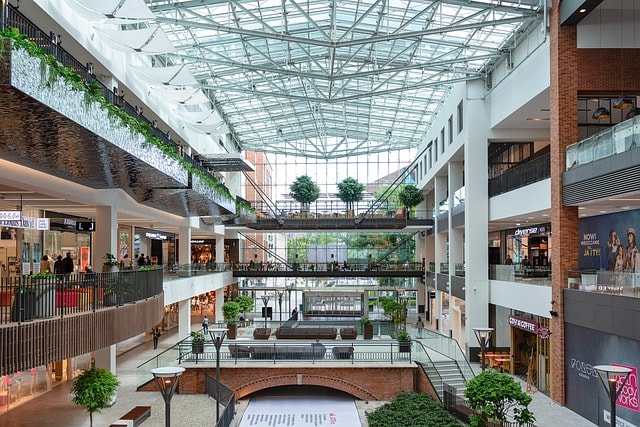
shopping mall, shops, shopping, architecture, people, building, city, modern, new, fashion, luxury, brand, sale, lifestyle, glass, steel, projects, supermarket, the interior of the, convenience, entertainment, house, the window, the website, exhibition, shopping mall, shopping mall, shopping mall, shopping mall, shopping mall, supermarket

1. That train doesn’t care about your schedule

You’re running late. You hear the horn. You already know. That CSX train is about to crawl across Main Street like it’s on vacation. If you’ve lived here long enough, you’ve probably tried to beat it once. Just once. Lesson learned.

2. Kennesaw Mountain is great… until you try to park

Everyone loves the mountain. It’s historic. It’s beautiful. It’s a great hike. But good luck finding parking on a Saturday. If you’ve ever looped the visitor center lot five times before giving up and parking in the grass, you’re officially local.

3. You’ve debated gun laws over sweet tea

Kennesaw’s gun ordinance is famous. Visitors get wide-eyed when they hear about it. Locals just shrug. It’s a talking point, not a lifestyle. You’ve probably had a friendly debate about it with someone at Big Pie in the Sky, while splitting a slice bigger than your car’s steering wheel.

hammer, books, law, dish, lawyer, paragraphs, regulation, court of justice, a book, §, code, law books, judge, order, rule, disposal, auction, law, law, law, law, law, lawyer, lawyer, lawyer

4. You’ve been confused by the Cobb Parkway speed limit changes

Is it 45? Is it 35? Did it just become 50 for two blocks? Cobb Parkway’s speed limits are like mood swings. If you’ve driven it for years, you’ve either gotten a ticket or spent too much time second-guessing yourself.

5. The Depot Park has changed—but you still remember the old version

Depot Park today is all clean and polished. There are events. There are lights. It’s charming. But if you’ve been here over ten years, you remember the scruffier version from the past. You remember the old benches, the shade from the huge trees, and maybe a squirrel or two that didn’t play nice.

6. You’ve rolled your eyes at someone calling it “Atlanta”

It happens. Someone from out of state asks where you live. You say “Kennesaw.” They say, “Where’s that?” You say “about 25 miles north of Atlanta, near Marietta.” They say, “Oh, so Atlanta?” You sigh. No. It’s Kennesaw. We have trains, cannons, and a Chick-fil-A that knows your name. It’s not the same.

7. You know at least one person who works for the school district

It’s Cobb County. If you’ve lived here a while, chances are you have a friend, cousin, neighbor, or spouse who works for the schools. And if not, you still have strong opinions about which high school has the best football team—or which middle school offers the best programs.

8. You’ve used Kennesaw State’s campus as your shortcut

Kennesaw State University, often referred to as Kennesaw State, is not only a major educational institution and one of the largest employers in the city, but locals also know you can cut through its campus to save time—unless it’s move-in day. Then you’re stuck behind three SUVs and a U-Haul. But the rest of the year, it’s the perfect back way to avoid Barrett Parkway traffic.

9. Barrett Parkway construction is forever

You moved here ten years ago. They were working on Barrett Parkway then. You bought a house, raised a family, and they’re still working on it. It’s like the road crews are aging alongside you.

10. You’ve hired a tree service at least once—probably after a summer storm

If you’ve lived in Kennesaw long enough, you know the storms come fast, hit hard, and drop limbs like confetti. The weather in Kennesaw is known for muggy summers and mild winters, creating conditions where summer storms can be especially intense and damaging to trees. You’ve seen your share of fallen pines. You’ve seen neighbors with chainsaws. And if you’re smart, you know who to call for help. (Spoiler alert below.)

man, umbrella, rain, hail, storm, nature, run, thunderstorm, precipitate, water, climate, road, street, urban, city

The Real Cost of Living in Kennesaw

Thinking about making the move to Kennesaw, GA? You’ll be happy to know that the cost of living here is pretty good compared to other major cities. While housing prices and rent have crept up a bit in recent years, they’re still reasonable—especially when you look at the national average. The median home price hovers around $280,000, and you can find a one-bedroom apartment for about $1,100 a month. Of course, your lifestyle and choice of neighborhood will play a role in your monthly expenses, but most residents find that living in Kennesaw offers a solid balance between affordability and quality. Groceries and utilities might be a touch higher than you’d expect, but with a low unemployment rate and plenty of job opportunities in the Atlanta area, it all evens out. Whether you’re buying your first house or looking for a new apartment, living in Kennesaw, GA, means you can enjoy a comfortable life without breaking the bank.

Community Events and Traditions You Can’t Miss

If you’ve ever wondered what brings Kennesaw together, look no further than its calendar of community events. The Big Shanty Festival is the city’s claim to fame, drawing crowds to downtown Kennesaw every April for a weekend of live music, delicious food, and local crafts. It’s the kind of event where you’ll bump into neighbors, make new friends, and maybe even catch a parade or two. But the fun doesn’t stop there—every Saturday from May to October, the Kennesaw Farmers Market transforms the downtown area into a hub of fresh produce and homemade treats. When the holidays roll around, the city lights up for the annual Christmas tree lighting, bringing families together for a night of festive cheer. And if you’re looking for a place to unwind, Swift Cantrell Park and the trails at Kennesaw Mountain are always buzzing with activity. No matter the season, there’s always something happening in Kennesaw, GA, that makes you feel right at home.

What Quality of Life Really Means Here

Ask any long-time resident, and they’ll tell you: the quality of life in Kennesaw, GA, is hard to beat. Safety is a top priority, with a low crime rate that gives families peace of mind. The schools are excellent, making the city a popular choice for parents who want the best for their kids. Outdoor lovers can explore the scenic trails of Kennesaw Mountain or spend a quiet afternoon at Smith-Gilbert Gardens, soaking in the beauty of native plants and art installations. History buffs will appreciate the city’s Civil War heritage, while foodies can sample everything from classic Southern fare to international cuisine at local restaurants. And with Atlanta just a short drive away, residents have easy access to big-city amenities without sacrificing the comfort of small-town living. Whether you’re enjoying a weekend festival, dining out with friends, or simply relaxing in your backyard, living in Kennesaw means being part of a community that values quality, connection, and a great place to call home.

Serving Kennesaw With Pride: Vilchis Tree Services Pro of Kennesaw

Vilchis Tree Services Pro of Kennesaw is proud to be part of this community. We understand the area, the people, and the land. For years, our team has helped homeowners with safe, reliable tree removal, trimming, and emergency services. Whether a storm just hit or your backyard needs clearing, we show up ready to work.

Our crew is trained, equipped, and committed to keeping your property safe and clean. We take the time to listen, answer questions, and get the job done right the first time. Kennesaw is known as a safe place to live, and we are dedicated to maintaining that secure environment through our services. Kennesaw isn’t just a place we serve. It’s a place we respect and care about.

We’re ready when you need us.

Final Thoughts

If these ten things made you smile, roll your eyes, or nod in agreement, then you’re one of us. You’ve earned your stripes as a Kennesaw veteran. And as anyone who’s been here a while will tell you—life in Kennesaw might come with traffic, trains, and the occasional flying pine limb, but it’s still a great place to call home. Long-time residents feel lucky to be part of this community and share a strong sense of hope for an even brighter future in Kennesaw.

Think you know all of Kennesaw’s secrets?

Uncover the untold history behind one of its most iconic landmarks in our next post: The Hidden Stories of Kennesaw Mountain National Battlefield Park.

Vilchis Tree Services Pro has served Kennesaw since 2013. We handle tree removal, trimming, stump grinding, and 24/7 emergencies. Call (470) 688-3381.

Categories
Marietta

Where to Find the Most Authentic Southern Biscuits (Hint: It’s Not a Chain)

Where to Find the Most Authentic Southern Biscuits Hint It’s Not a Chain

Marietta knows biscuits. Real Southern biscuits don’t come from a frozen box or a fast food counter. They’re soft, buttery, and made fresh in the morning. Locals know where to go, and those spots rarely show up in national ads. If you want the kind of biscuit that sticks with you, you need to skip the chains and follow the locals. Here’s where we go when we want the real thing, made with only ingredients that ensure the best quality.

Introduction to Authentic Biscuits

Authentic Southern biscuits are a staple of Southern cuisine, and their rich history and cultural significance make them a beloved tradition. The word “biscuit” originates from the Latin “bis coctus,” meaning “twice baked,” which refers to the original process of making biscuits by baking and drying bread to create a hard, sturdy biscuit. To make great biscuits, it’s essential to use high-quality ingredients, such as self-rising flour, cold butter, and buttermilk. A good biscuit should be light, fluffy, and golden brown, with a delicate balance of flavors. Whether you’re making homemade biscuits from scratch or using a biscuit mix, the key to achieving authentic Southern biscuits is to use the right ingredients and techniques.

Regional Biscuit Specialties

The South is famous for its biscuits, and each region has its own unique specialties. From the beaten biscuits of the Lowcountry to the fluffy biscuits of the Appalachian region, there’s a wide variety of biscuit styles to explore. In South Carolina, for example, biscuits are often served with sausage gravy or country ham, while in Tennessee, they’re often paired with fried chicken or biscuits and gravy. Understanding the regional differences in biscuit-making is essential to appreciating the diversity and richness of Southern cuisine. Some popular regional biscuit specialties include Charleston’s biscuit head, Nashville’s cathead biscuits, and Atlanta’s vicious biscuit.

Mountain Biscuits

Mountain Biscuits is a local favorite near Kennesaw Mountain. It’s a small spot with limited seating, but the biscuits are worth the wait. They’re big, flaky, and made from scratch, resulting in a great biscuit every time. Using soft red winter wheat flour is crucial for achieving the desired texture of fluffy and high-rising biscuits. You can get them plain or stuffed with sausage, bacon, or fried chicken. Pastry flour, with its low gluten content, is often preferred for making these biscuits. The bacon biscuit is especially popular. American biscuits, especially those from the South, are known for their unique texture and flavor. To make great biscuits, it’s essential to use high-quality ingredients, such as self-rising flour, cold butter, and cold buttermilk. The staff is friendly, and the place feels like home. Locals often grab a biscuit after a morning hike or on their way to work. Gentle handling of the dough is crucial to avoid developing gluten, ensuring the biscuits remain light and fluffy.

Red-Eyed Mule

Red-Eyed Mule sits on Church Street Extension and keeps things simple. In the history of Southern cuisine, sea biscuits were a type of beaten biscuit popular among sailors. The biscuit menu is short, but every item is done right. In some regions, sour cream is used as a substitute for buttermilk to enhance the tenderness and flavor of the biscuits. From the beaten biscuits of the Lowcountry to the cut biscuits of the Appalachian region, there’s a wide variety of biscuit styles to explore. In South Carolina, for example, beaten biscuits are often served with sausage gravy or country ham. The “Jake’s Sloppy Slaw Burger” made it famous, but the biscuits hold their own. Try the sausage biscuit with pepper jelly or the country ham biscuit with egg. The place looks like an old roadside diner, and it fits the vibe. It’s no frills, just good food made fresh every day.

Sugar Biscuits

Sugar Biscuits is newer but has already earned local love. They serve biscuits all day and mix in sweet and savory options. You’ll find classic bacon-and-egg biscuits next to honey butter chicken and even pimento cheese biscuits. Everything is made in-house. The portions are generous, and the prices are fair. It’s a great place for families or anyone who wants something hearty for breakfast or lunch.

The Marietta Local

Most people go to The Marietta Local for the chicken and waffles, but the biscuit sandwiches are just as good. The chicken biscuit is thick, juicy, and lightly spiced. Add egg or cheese for extra flavor. The biscuits are soft inside with a slight crunch on the edges. Everything tastes homemade. The Marietta Local sits close to the Square, so it’s an easy stop before browsing the farmers market or heading to work.

Gabriel’s Bakery

Gabriel’s Bakery on Whitlock Avenue is best known for cakes and pies, but their breakfast biscuits are strong contenders. The ham and cheddar biscuit is rich and filling. They also offer rotating specials like tomato bacon or turkey sausage. The space feels cozy, and regulars stop in for coffee and conversation. The biscuit menu isn’t long, but the quality keeps people coming back.

Hometown Barbecue & Breakfast

Located off Austell Road, this spot serves real Southern breakfast with no shortcuts. The biscuits are large, buttery, and always fresh. Try them with gravy, country ham, or eggs. The biscuit-and-gravy plate is especially popular with longtime locals. The dining room is casual. The prices are low. The food feels like something you’d get at a family table. It’s a solid choice if you’re on the west side of town.

Miss Mamie’s Cupcakes, Cakes & Such

Miss Mamie’s is known for sweets, but they do a strong breakfast on weekends. Their biscuits come out golden and soft, with options like maple sausage or apple butter. Seating is limited, but the food is consistent. It’s also a fun place to grab a biscuit and a cupcake for later. The combination works better than you might expect.

What Makes Southern Biscuits Authentic?

Authentic Southern biscuits are soft on the inside and lightly crisp on the edges. Preheating the oven to the right temperature is crucial for baking perfect biscuits. They rise tall, have a buttery taste, and hold together without falling apart. A hot oven helps the biscuits rise properly and become golden brown. The best biscuits are made from simple ingredients—flour, butter or shortening, milk, and a little salt, and the biscuit dough is mixed by hand and baked fresh. Brushing the tops with melted butter before baking adds richness and a golden finish. Many local spots still follow this process, including brushing the tops with melted butter. The placement of biscuits on the baking sheet can impact their texture and appearance. A real fluffy biscuit doesn’t feel processed or dry. The texture of the raw biscuit dough is crucial for achieving the perfect final product. It’s warm, fresh, and full of flavor, with dough that’s been handled just right. And in Marietta, the best ones usually come from a place that closes before lunch.

Key Ingredients for Great Biscuits

To make great biscuits, you need to start with the right ingredients. Self-rising flour, such as White Lily or Martha White, is a must-have for authentic Southern biscuits. Cold butter, preferably full-fat, is also essential for creating a flaky, tender biscuit. Buttermilk is another crucial ingredient, as it adds a tangy flavor and helps to create a light, airy texture. Other key ingredients include baking powder, baking soda, and salt, which help to leaven and flavor the biscuits. When using a biscuit cutter, be sure to cut the biscuits straight down and don’t twist the cutter, as this can prevent the biscuits from rising properly.

Southern Biscuit Culture

Southern biscuit culture is a rich and vibrant tradition that’s deeply rooted in the region’s history and heritage. From family gatherings to church suppers, biscuits are often at the center of Southern social life. In many Southern households, biscuits are a staple food, served with breakfast, lunch, or dinner. The art of making biscuits is often passed down from generation to generation, with grandmothers and mothers teaching their children and grandchildren the secrets of traditional biscuit-making. Whether you’re enjoying biscuits and gravy at a roadside diner or savoring a homemade biscuit at a family gathering, the experience is always warm, welcoming, and deeply Southern. Some popular Southern biscuit traditions include serving biscuits with corn bread, sausage gravy, or fried chicken, and using a cast iron skillet to bake the biscuits to a golden brown perfection.

Tips for Biscuit Runs

  • Go early: The best biscuits sell out fast and are best enjoyed piping hot. Most spots open by 7 a.m.
  • Call ahead: Some locations take phone orders for pickup, ensuring you get your delicious biscuits without the wait.
  • Bring cash: A few of the smaller spots may not take cards.
  • Try the gravy: Many places offer sausage or red-eye gravies. It’s worth adding to your biscuit plate.
  • Be patient: Local biscuit spots are busy for a reason. The line means the food is fresh.

About Vilchis Tree Services Pro of Marietta

Vilchis Tree Services Pro of Marietta takes pride in serving our local neighborhoods. We offer expert tree trimming, removal, and emergency services. Our team works safely and treats your property with respect. We know this city, and we care about keeping it clean and safe. Whether you’re in a quiet suburb or close to downtown, we show up on time and get the job done right.

Final Thoughts

Marietta has no shortage of places to find real Southern biscuits, but the best ones aren’t in chains or drive-thrus. They’re in small shops, family-run diners, and corner bakeries. These biscuits come from old recipes and local kitchens. If you want something warm, soft, and full of flavor, skip the box and go where locals go. Your morning will be better for it.

Vilchis Tree Services Pro provides tree services across Metro Atlanta including Marietta and Kennesaw. Call (470) 914-2221.

Categories
Marietta

The Real Vibe of West Cobb vs. East Cobb – What’s the Difference?

The Real Vibe of West Cobb vs. East Cobb – What’s the Difference?

People often talk about Cobb County like it’s all the same, but locals know there’s a clear difference between West Cobb and East Cobb. Both areas offer strong schools, good parks, and safe streets. But the feel, pace, and everyday lifestyle vary. From the beginning, Marietta’s historical origins and development through significant events like the Civil War and reconstruction have shaped its unique character. If you’ve lived here long enough, you pick up on it. The character of neighborhoods, such as East Cobb, is defined by their unique historical charm, older homes, landscaping, and long-established residents. Whether you’re new to the area or just trying to understand both sides of town, here’s how locals see the real vibe of West Cobb and East Cobb.

Introduction to Cobb County

Cobb County, located in the bustling Atlanta area of Georgia, is a top choice for those planning to relocate to the metro Atlanta region. Known for its fascinating history, excellent schools, and beautiful parks, Cobb County has become a magnet for families and individuals alike. The county boasts several thriving communities, including East Cobb, West Cobb, and Marietta, each offering a unique blend of historic flair, great schools, and modern amenities. From sprawling estates to cozy neighborhoods, Cobb County caters to every lifestyle and preference. Whether you’re seeking a family-friendly community, a vibrant downtown area, or a peaceful retreat, Cobb County is an excellent choice for your next home.

East Cobb: Suburban and Structured

East Cobb feels polished. You’ll find planned neighborhoods, wide streets, and shopping centers with national chains. Everything looks clean and organized. In addition, the area boasts desirable features and amenities that enhance the living experience, such as recreational facilities and access to quality schools. Schools rank high, and many families move here for that reason. The houses often follow similar layouts. The lawns are trimmed. The mailboxes match.

Locals in East Cobb enjoy access to well-known stores and chain restaurants. Trader Joe’s, Whole Foods, and The Avenue East Cobb are common stops. It’s considered a great place for structured living due to its amenities and community. Traffic moves steady, and public services respond fast. You’ll see joggers in the morning, youth sports in the evening, and weekend brunch at family spots.

West Cobb: Spread Out and Relaxed

West Cobb has a slower feel. Homes are spaced farther apart. Roads curve more and lead to wooded lots or open fields. The shopping centers are smaller, and there are more local businesses. You’ll find antique shops, family diners, and small hardware stores. The area feels more rural, though it’s still closer to everything you need while maintaining a suburban lifestyle.

Many residents enjoy the quiet. Yards are larger. Trees are older. West Cobb is established with older homes and a distinct charm. You hear crickets at night instead of cars. People wave from porches and talk at the grocery store. It’s a place where time moves slower and families spend evenings outside. You’ll see more trucks, more pets, and fewer high-rise buildings.

Schools and Sports

Both East and West Cobb have strong school systems, offering excellent educational opportunities for students in both areas. East Cobb schools get more attention for high test scores. West Cobb schools are smaller but still perform well. East Cobb has large sports programs and newer school buildings. West Cobb focuses more on community-based events and tight-knit parent groups.

Parents in East Cobb often focus on academic achievement and structured schedules. Excellent schools are a priority for families when choosing between East Cobb and West Cobb. In West Cobb, there’s more focus on balance and outdoor activities. Neither approach is better. It just depends on what you value more in a neighborhood.

Parks and Outdoor Life

East Cobb has plenty of well-maintained parks with sports fields, paved trails, and splash pads. East Cobb Park, Fullers Park, and Terrell Mill are great for families. The areas are clean and organized. The trails are popular and busy, especially on weekends.

West Cobb offers more open space. Residents can expect a variety of outdoor activities and natural spaces, including rolling hills, wooded trails, and large dog parks. Oregon Park and Lost Mountain Park give people room to explore. There are fewer paved areas and more natural trails. It’s better for long walks, picnics, and nature play. You may need to drive farther between parks, but the space feels worth it.

Exploring Marietta Square

Marietta Square is the heart of Marietta, GA, and it perfectly blends historic charm with modern amenities. This vibrant downtown area is a hub of activity, featuring over 30 restaurants, antique malls, boutique clothing stores, vintage shops, bakeries, and art galleries. Residents and visitors can enjoy the beautiful parks, diverse entertainment options, and numerous community events that take place throughout the year. With its proximity to Atlanta and access to excellent school districts, Marietta Square is an ideal location for families, young professionals, and retirees. Whether you’re looking for a night out on the town, a family-friendly activity, or a peaceful stroll, Marietta Square has something for everyone. As you explore this beautiful area, you’ll quickly understand why so many people have fallen in love with Marietta Square and decided to make it their home.

Food and Local Flavor

East Cobb leans toward chain restaurants, cafes, and structured dining areas, offering a variety of dining places for every taste. There are upscale food options and quick service spots near every main road. It’s easy to find gluten-free, vegan, or health-conscious meals.

West Cobb has more local diners and Southern-style restaurants. Residents are proud of the local diners and Southern-style restaurants that define the area. You’ll find meat-and-three plates, biscuits, and sweet tea on every menu. Barbecue joints and family-run cafes fill the map. People know the servers by name. It’s not trendy—it’s consistent and comforting.

Traffic and Travel

East Cobb has more traffic. Major roads and interstates like Johnson Ferry, Roswell Road, Shallowford, and Interstate 285 contribute to the congestion. Commutes to Atlanta take time, especially during peak hours. You’ll deal with more stoplights, more lanes, and tighter turns.

West Cobb has lighter traffic. The course of travel in West Cobb is smoother, with longer streets and fewer interruptions. Dallas Highway, Barrett Parkway, and Villa Rica Road move smoother during most hours. The streets are longer, with fewer lights. The trade-off is fewer shortcuts. Once you’re on the road, you commit to the route.

Who Lives Where?

East Cobb attracts young families who want top schools, tight schedules, and structured community events, making it a prime choice in their decision-making process. It’s full of swim-and-tennis neighborhoods and group activities. Many homes are newer and part of planned subdivisions.

West Cobb draws families who want more space and less pressure. It makes sense for families seeking a peaceful setting to choose West Cobb. It’s home to long-time residents and new arrivals looking for a peaceful setting. There’s more variety in home style and layout. Some houses sit on land passed down through generations.

Shopping and Essentials

East Cobb makes shopping easy with detailed convenience. You’re never far from a grocery store or pharmacy. Big-box chains, banks, and fast food fill the landscape. You can finish errands quickly.

West Cobb offers what you need, but with fewer choices. The properties in West Cobb are spacious and picturesque, adding to the area’s charm. Grocery stores are smaller. Shops are spaced out. But that also means less crowding. People in West Cobb tend to shop less often and stay out longer when they do. You plan your trips and enjoy the quiet while you’re out.

About Vilchis Tree Services Pro of Marietta

Vilchis Tree Services Pro of Marietta is ready to provide safe and reliable tree services. The company has advanced its services to meet the needs of both East Cobb and West Cobb residents. We offer safe, reliable tree removal, trimming, and emergency services. Our team treats every property with respect. Whether you live in a planned community or a wooded lot, we keep your trees healthy and your space safe. We care about our city and the people who live in it.

Final Thoughts

East Cobb and West Cobb each have a unique style for various reasons. The true character of each area appeals to different types of residents. East Cobb is polished, active, and structured. West Cobb is spacious, relaxed, and quiet. Neither is better. They’re just different. As a local, it’s easy to appreciate both. Whether you enjoy coffee shops or open trails, Cobb County has a place for you. You just have to find the vibe that fits your life.

No matter which side of Cobb County you live on, Vilchis Tree Services Pro provides tree removal, trimming, and stump grinding. We also serve Smyrna and Vinings. Call (470) 665-3460.

Categories
Marietta

A Local’s Guide to Dog-Friendly Parks in Marietta

A Local’s Guide to Dog-Friendly Parks in Marietta

Marietta is a great place to live if you have a dog, offering various dog-friendly adventures such as hiking and exploring scenic trails. The city has plenty of green space, walking trails, and parks where dogs are welcome, showcasing the natural beauty of the area. Whether you want a fenced dog park or a wide-open path, there are solid options across the area, conveniently located throughout the city. As a local dog owner, I’ve tried most of them. Here’s a simple guide to the best dog-friendly parks in Marietta and what makes each one special.

Introduction to Parks in Marietta, GA

Marietta, GA, is a city surrounded by wonderful parks that offer a quick escape into nature. The parks in Marietta are perfect for dog owners who want to spend quality time with their pets. With numerous dog-friendly parks and trails, Marietta is an ideal destination for families and individuals who love the outdoors. From walking trails to tennis courts, the city’s parks have something for everyone. Whether you’re looking for a fun day out with your family or a peaceful stroll along the Chattahoochee River, Marietta’s parks are a great spot to visit.

Lewis Park

Lewis Park has a dedicated off-leash dog area. It’s perfect for dogs with plenty of energy as it’s fully fenced and includes benches, shaded spots, and waste stations. The surface is natural grass and dirt, which helps reduce overheating in the summer. There are two separate sections—one for small dogs and one for large dogs. The park offers plenty of opportunities for dogs to sniff and explore. Locals appreciate the quiet atmosphere and easy access. There’s also a walking trail if you prefer to stay on-leash. It’s clean, simple, and well-maintained.

Piedmont Dog Park (East Cobb)

This dog park is part of the larger Piedmont Park system in East Cobb. It’s a short drive from central Marietta. It’s a great place for pups to socialize. It offers a wide open space with mulch ground cover and shade from mature trees. There are water spigots to keep dogs hydrated. The park provides toys for dogs to play with. The park stays busy but not crowded. Most people here are regulars and friendly. It’s a good place to socialize your dog or meet other dog owners. There’s also a paved walking loop nearby for leash walks.

Kennesaw Mountain National Battlefield Park (Leashed Dogs Only)

While dogs are not allowed off-leash here, Kennesaw Mountain is a top pick for hiking with your dog. The trails range from easy to difficult, offering scenic hiking trails through forests. They offer shade, water views, and open terrain. Additionally, the park is a historic site with significant landmarks. You’ll need to keep your dog on a leash, but it’s a favorite for active pets. The mountain views and shaded paths make this a go-to for early mornings and cooler days. Bring your own water and bags, as the park is more natural than urban spots.

Wildwood Park

Wildwood Park sits near Powers Ferry Road and has a network of wooded trails. It’s a peaceful spot for both people and their animals. The paths are soft and shaded. There’s a creek nearby, which adds a nice sound and some cool air during summer. The park offers picturesque spots perfect for taking a photo. This park is smaller and less busy than others. It’s a good option if you want a quiet walk or a break from crowded dog parks. There’s no fenced area here, so it’s best for well-behaved dogs on a leash.

Laurel Park

Laurel Park doesn’t have a dog park, but it’s a dog-friendly space with open fields and wide walking paths for both dogs and their humans. It’s ideal for leashed walks or playing fetch in a quiet corner. Well-behaved dogs are invited to enjoy the park. There are trees, picnic areas, and tennis courts. The layout makes it easy to find space even when the park is busy. Local dog owners often meet up here in the mornings or early evenings. There are waste stations throughout the park, which helps keep things clean.

Noonday Creek Trail

This multi-use trail is part of a larger greenway. It connects to Kennesaw and runs through quiet wooded sections and open areas, offering scenic views along the lake. Dogs must stay on a leash, but it’s perfect for longer walks or runs. Don’t forget essential items like water and waste bags. The path is wide and paved, with room for bikes and walkers. There are plenty of trash cans and shaded areas. Local families often bring their dogs here for weekend strolls. It’s one of the best options for distance and space.

East Cobb Park

East Cobb Park is popular with families and pet parents. Dogs must stay leashed, but there’s plenty of space to walk. The park offers various activities depending on the season. The paths are paved and easy to follow. There are grassy open spots for short breaks or picnics. The park includes playgrounds and pavilions, so weekends can be busy. If your dog is calm and used to people, it’s a great place to visit. Early mornings and weekdays are quieter.

Safety and Etiquette in Parks

When visiting parks in Marietta, it’s essential to follow safety and etiquette guidelines to ensure a enjoyable experience for all. Dog owners should keep their pets on a leash and clean up after them to maintain the cleanliness of the parks. Well-behaved dogs are welcome in most parks, but it’s crucial to respect other visitors and follow the rules. Additionally, park visitors should be mindful of their surroundings and keep an eye on their children to prevent accidents. By following these guidelines, everyone can have a fun and safe experience in Marietta’s parks.

Parks in Marietta for All Ages

Marietta’s parks cater to all ages, from children to adults. Tumlin Park, for example, features playgrounds, tennis courts, and walking trails, making it an ideal destination for families. Kennesaw Mountain is another popular spot for hiking and offers breathtaking views of the city. For dog owners, there are several dog-friendly parks, including private dog parks that can be rented for a fun day out with your pup. The city’s parks also offer a range of amenities, such as picnic tables, grills, and restrooms, making them perfect for a family adventure or a quiet stroll. Whether you’re looking for a relaxing day in nature or an action-packed adventure, Marietta’s parks have something for everyone.

Tips for Visiting Dog-Friendly Parks

  • Always bring water: Georgia summers are hot, and dogs need regular hydration.
  • Use a leash where required: Some parks have strict leash rules. Signs are posted at entrances.
  • Pick up after your dog: Most parks provide waste bags and bins. Use them every time.
  • Watch for signs of heat stress: Panting, slowed movement, and dry gums are warning signs. Take breaks in the shade.
  • Respect other pets: Give space to dogs you don’t know. Some dogs need more room to feel safe.
  • Enjoy local amenities: After your hike, you can enjoy a local craft beer at nearby pet-friendly breweries.
  • Convenient location: The parks are conveniently located near town amenities for a complete day out.

Where to Go First

If you’re looking for a quick trip, start with Lewis Park. Some parks offer private backyard spaces for dogs. It’s central and designed for dogs. These private spaces can be rented for exclusive use. If you want a long walk, head to Noonday Creek Trail. For a scenic hike, try Kennesaw Mountain. Every park has something different to offer. Try a few and see what your dog enjoys most.

About Vilchis Tree Services Pro of Marietta

Vilchis Tree Services Pro of Marietta supports the homes, parks, and families that make this city strong. We provide tree trimming, removal, and emergency storm services. We care about safety and always respect your property. Our team works across Marietta to help keep outdoor spaces clean and safe. We believe in serving our neighbors with care and consistency.

Final Thoughts

Marietta is full of dog-friendly parks. Marietta also offers a ‘dog beach’ for water-loving dogs. Whether you want an off-leash play area or a long shaded trail, there’s a spot nearby. These parks help dogs stay active and give owners a chance to relax and enjoy nature. With so many options, there’s no reason to stay indoors. Grab a leash, pack some water, and explore the city with your dog. Don’t forget to take a photo and share your experiences!

Vilchis Tree Services Pro provides tree service in Marietta, GA including tree removal, trimming, and stump grinding. Call (470) 665-3460.

Categories
Marietta

How Marietta Parents Beat the Summer Heat (Splash Pads & Local Pools)

How Marietta Parents Beat the Summer Heat (Splash Pads & Local Pools)

Summers in Marietta get hot. Parents know the challenge—keeping kids active and cool without breaking the bank. The good news is that the city has several splash pads, outdoor pools, and other water play areas that help families stay cool. These spots are easy to access, family-friendly, and spread out across the area. Whether you live near the Square or farther out, there’s a place nearby where kids can run, splash, and enjoy summer without overheating.

Introduction to Summer Activities

Summer is here, and it’s time to beat the heat in Atlanta. With numerous splash pads, water parks, and indoor activities, there’s something for everyone to enjoy. From the popular Piedmont Park to the exciting Seven Springs Water Park, Atlanta offers a wide range of fun and cooling activities for kids and adults alike. Whether you’re looking for a free splash pad or a luxurious water park experience, this guide will help you navigate the best summer activities in Atlanta. So, grab your sunscreen and get ready to splash, play, and stay cool all summer long!

Splash Pads: Simple and Fun

Sprayground at Swift-Cantrell Park

This splash pad is located in nearby Kennesaw, but many Marietta families make the short trip. It’s inside Swift-Cantrell Park and open during the warmer months. It has water sprays, fountains, water jets, water buckets, and dump buckets. Parents can sit nearby under shaded areas while kids run through the water. There is a small entry fee, but it’s affordable. This spot is popular because it’s clean, safe, and offers hours of fun for younger children.

Elizabeth Porter Park Splash Pad

Located on Allgood Road, this splash pad is a favorite for many Marietta families. The water features include a fun water tunnel and interactive water feature, along with spinning sprayers, a small waterfall arch, and ground-level fountains. The design keeps kids moving while staying cool. The surrounding park has benches, shade, and a playground. Families often pack snacks and spend a few hours here. It’s a good option for weekday mornings before the crowds arrive.

Public Pools: Swim, Splash, and Cool Down

West Cobb Aquatic Center

This indoor pool is a solid choice for families who want water fun without the sun. It has a large leisure pool, diving boards, two water slides, and a lazy river. There are swim lanes for older kids or adults who want to exercise. The building stays cool, and lifeguards are always on duty. West Cobb Aquatic Center is run by Cobb County, so prices are affordable and the space stays clean.

South Cobb Aquatic Center

Though a bit farther from central Marietta, this facility offers another indoor pool option. It’s known for its splash features and zero-entry pool that’s great for toddlers. Water sprays, dumping buckets, stationary water cannons, and interactive water play areas keep kids moving. There’s a small admission fee. Families often go on hot days when outdoor play feels too harsh. It’s also a smart backup for rainy days.

Marietta City Club Pool

This private pool operates under a membership model, but many local families use it each summer. The pool area includes a snack bar, lounge chairs, and swim lessons, making it an ideal spot for the whole family. Kids swim in a clean pool while parents relax nearby. The pool stays busy but well managed. If you’re looking for a consistent pool experience and don’t mind a membership, this is a top option in the area.

Neighborhood Pools and HOA Options

Many neighborhoods in Marietta have their own pools. These pools often come with a homeowner’s association fee. Parents appreciate them because they’re close, less crowded, and offer a safe environment for kids to swim. These pools often feature picnic tables for families to relax and enjoy meals while their children are playing in the water. Some even offer small splash areas or shallow ends for younger kids. If your neighborhood has a pool, take advantage of it. If not, some communities offer guest passes during the summer.

Indoor Activities

When the sun becomes too much to handle, indoor activities are a great way to stay cool and have fun. Atlanta has a variety of indoor pools, aquatic centers, and play areas that are perfect for hot summer days. The Georgia Aquarium is an excellent choice for families, with its stunning displays of marine life and interactive exhibits. For a more adventurous experience, try the rock climbing wall at the Atlanta Rocks Intown climbing gym. Many local libraries and museums also offer indoor activities, such as DIY crafts, storytime, and natural history exhibits. These indoor options ensure that even on the hottest days, you can find a cool and entertaining escape.

Educational Destinations

Learning can be fun, especially during the summer months. Atlanta is home to several educational destinations that offer a mix of entertainment and education. The Fernbank Museum, for example, features exhibits on natural history, including a giant screen theater and an observatory. The Children’s Museum of Atlanta is another great spot, with interactive exhibits and play areas focused on science, art, and culture. For a unique experience, visit the Center for Civil and Human Rights, which offers interactive exhibits and educational programs. These destinations provide a perfect blend of fun and learning, making them ideal for curious minds of all ages.

Local Libraries and Museums

Atlanta’s local libraries and museums are a treasure trove of knowledge and entertainment. Many libraries offer free indoor playgrounds, storytime, and summer reading programs for kids. The Atlanta-Fulton Public Library System, for instance, has a variety of branches with excellent resources and activities for children. Museums like the High Museum of Art and the Museum of Design Atlanta (MODA) offer exhibits, workshops, and classes for adults and children. Be sure to check out the special summer exhibits and events at these institutions. These local spots provide enriching experiences that are both fun and educational, perfect for keeping kids engaged all summer long.

Marietta Community

The Marietta community is a great place to explore during the summer. Brook Run Park, for example, features a dog park, walking trails, and a playground, making it a perfect spot for a family outing. The Marietta Aquatic Center offers swimming lessons, water slides, and a wave pool, providing endless water fun for kids of all ages. For a thrilling day out, visit the Six Flags White Water park, which features water slides, a lazy river, and a wave pool. The Marietta Museum of History is another great spot, with exhibits on local history and culture. With its excellent schools, parks, and community events, Marietta is an excellent choice for families looking for a fun and safe summer experience.

Tips for Making the Most of Local Water Spots

  • Arrive early: Splash pads and pools fill up fast. Morning hours are cooler and less crowded.
  • Pack light: Bring water, sunscreen, towels, and snacks. Many places don’t allow large bags or glass containers.
  • Wear water shoes: They help prevent slips and protect feet from hot pavement or rough surfaces.
  • Check hours online: Some locations close for cleaning or events. Always check before you go.
  • Consider parking and season passes: Look into the availability and cost of parking at your destination. Season passes can offer affordability and convenience for families planning multiple visits to water parks and splash pads.

Water Safety Reminders

Even in shallow water, supervision matters. Enjoy splashing with friends while keeping safety in mind. Stay close to your kids, even at splash pads. Teach them not to run on wet surfaces. Make sure they take breaks in the shade. Keep them hydrated. Always apply sunscreen and reapply as needed. Most locations have lifeguards, but parents should still stay alert. Summer fun is safe fun when everyone stays aware.

Free and Budget-Friendly Fun

One of the best parts of these splash pads and pools is the price. Many are free or low-cost. Visiting places like Thurman Springs Park allows families to enjoy the great outdoors while keeping the budget in check. Marietta parents find creative ways to enjoy summer without expensive trips. These local spots give kids the freedom to play and parents a break from the heat. With a bit of planning, you can make these visits part of your weekly routine.

About Vilchis Tree Services Pro of Marietta

Vilchis Tree Services Pro of Marietta supports the families and neighborhoods that make our city strong. We provide expert tree trimming, removal, and emergency services. Our team works safely and with respect for your property. We live in the communities we serve, and we believe in doing honest work. We keep yards clear, trees healthy, and families safe.

Final Thoughts

Marietta parents have plenty of smart ways to beat the summer heat. Splash pads and pools help kids stay cool, stay active, and enjoy time outside. They’re easy to find and easy on the budget. Whether you stay local or make a short drive, these water spots turn hot days into fun ones. The city’s first splash pad and the two stories high fountain in Duluth’s Town Green are perfect examples of attractions that enhance the experience. So pack a bag, fill the water bottles, and make some summer memories without leaving town.

Need tree work in Marietta? Vilchis Tree Services Pro handles removal, trimming, and emergency service. Call (470) 665-3460.

Categories
Marietta

The Story of the Big Chicken and Why It’s a Local Icon

The Story of the Big Chicken and Why It’s a Local Icon

Ask someone for directions in Marietta, and chances are they’ll say something like “go past the Big Chicken.” It’s more than just a fast food restaurant. It’s a landmark. Everyone knows it. Everyone uses it to give directions. But how did a giant chicken become one of the most recognized features in Marietta? Here’s the story.

How the Big Chicken Was Built

The Big Chicken was built in 1963 as part of Johnny Reb’s Chick, Chuck, and Shake before becoming a KFC franchise. A man named S.R. “Tubby” Davis owned a restaurant at the corner of Cobb Parkway and Roswell Road. He sold chicken, and he wanted his business to stand out. He hired an Atlanta architect to build something big and bold. The result was a 56-foot tall steel chicken with moving eyes and a beak that opened and closed.

The building underneath became a Kentucky Fried Chicken. But the giant chicken on top stole the show. It became the thing people remembered. People stopped just to take a picture. Kids stared out the car window every time they passed it. Drivers used it as a marker. “Turn left at the Big Chicken” became part of local language. The architectural significance of the Big Chicken is notable, as it was designed by a Georgia Tech architecture student.

A Near Miss and a Strong Comeback

In the early 1990s, the Big Chicken was falling apart. The structure had aged. The moving parts didn’t work well. There was talk of tearing it down. That idea upset a lot of people. The community pushed back. Residents, businesses, and local leaders asked that it be saved. They said it was part of the city’s identity. The Big Chicken suffered significant damage during a winter storm in 1993, leading to a public outcry against demolishing the building.

KFC listened. In 1993, they repaired the Big Chicken. They restored the moving beak and eyes. They also cleaned up the structure and made it safe again. The restoration efforts were aimed at preserving the Big Chicken as a beloved landmark. People celebrated. It proved that the Big Chicken was more than just a building. It was part of Marietta’s story.

The 2017 Renovation

In 2017, KFC did a major renovation. The restaurant reopened after a $2 million renovation project. The Big Chicken underwent significant updates, including rebuilding the restaurant and adding new technology. But they kept the Big Chicken. In fact, they improved it. They made the eyes and beak move again. They installed lights so it stood out at night. The goal was to make the chicken last another 50 years.

They also added a small gift shop and historical displays. Visitors could learn about the chicken’s past. The renovation included adding a voice that broadcasts messages to visitors. Locals who had seen it their whole lives could now walk inside a modern building with respect for the original design. The update kept the tradition alive while improving the space.

More Than Just a Fast Food Sign

The Big Chicken is used by the city in many ways. Local art and merchandise often feature it. T-shirts, mugs, and stickers carry its image. There are race routes and charity walks named after it. Even pilots flying into Dobbins Air Reserve Base have been known to use the Big Chicken as a reference point when approaching the runway.

Tourists ask about it. Residents joke about it. It has appeared in various media, local references, commercials, cartoons, and news features. No other fast food sign has the same level of fame. And no other town gives so much affection to a giant steel bird.

What It Means to the Community

Marietta has many historical landmarks, but the Big Chicken holds a special place. It doesn’t tell the story of war or politics. It tells the story of daily life and has a rich history that is intertwined with the daily life of Marietta. It’s fun. It’s odd. But it’s part of the fabric of the city. People who move away remember it. People who visit always ask about it. And people who live here use it as a point of pride.

For many families, the Big Chicken means childhood memories. It means road trips and lunch stops. For others, it means meeting friends or starting the day with a familiar landmark. The Big Chicken has attracted customers for decades, becoming a beloved landmark. It has a place in everyday life that most statues and signs never reach.

How to Visit

The Big Chicken stands at 12 Cobb Parkway South, a prominent street in Marietta. It’s located at the intersection of Cobb Parkway and Roswell Road, making it easy to find and hard to miss. This strategic location at the intersection contributes to its visibility and iconic status. There is parking around the building. Inside, there’s a full KFC restaurant with seating and a gift counter. Outside, you can see the structure up close and hear the moving beak when it’s in motion. At night, the lights make it glow against the skyline.

It’s a good stop for kids, visitors, and anyone who wants a quick photo with a piece of local culture. Many people bring out-of-town guests just to show them the chicken. It has become a must-see spot on local tours.

Why It Still Matters

In a world where cities often tear down the old to build the new, the Big Chicken shows that character still counts. Soon after it was complete, the landmark became a local reference point. It reminds us that some things are worth keeping. It tells us that even a fast food sign can become a symbol if enough people care about it.

Marietta has grown. New buildings and businesses are always popping up. But the Big Chicken stays. Colonel Sanders recognized the business value of the Big Chicken, securing its place in local culture. It gives people a sense of place. It gives drivers a point of reference. It gives the city something to smile about.

About Vilchis Tree Services Pro of Marietta

Vilchis Tree Services Pro of Marietta is proud to serve this city and its people. We offer expert tree removal, trimming, and emergency services. We focus on safety, honesty, and strong results. Our team works in neighborhoods across Marietta. We treat every yard with care. We support our community, its stories, and the people who make it special.

Final Thoughts

The Big Chicken is more than a roadside structure. It’s a symbol of Marietta’s style, humor, and local pride. It has lasted through decades of change. It continues to stand tall, beak moving, eyes blinking, pointing the way for locals and visitors alike. If you live here and haven’t stopped by in a while, make the short trip. If you’re new in town, go take a look. The Big Chicken isn’t just a sign—it’s a story.

Vilchis Tree Services Pro is headquartered in Dallas, GA and serves the entire Metro Atlanta area. Call (470) 914-2221 for a free estimate.

Categories
Marietta

The Forgotten Trolley Lines That Once Ran Through Marietta

The Forgotten Trolley Lines That Once Ran Through Marietta

Marietta has changed over the years. Streets have widened. New buildings have gone up. But under the pavement and behind some of the older sidewalks, signs of the past remain. One part of Marietta’s history that many people forget is the trolley system. These electric streetcars were a crucial part of the city’s transportation system, moving people across town and into Atlanta. They were quiet, efficient, and part of everyday life for thousands of residents.

The Start of the Trolley Era

The trolley lines in Marietta began in the early 1900s. The city wanted to connect with nearby communities and make travel easier for workers and families. The streetcar lines made it possible to get from Marietta to Atlanta without a car. At the time, this was a big deal. It gave people access to jobs, shops, and services beyond their neighborhoods.

The streetcar line that connected Marietta to Atlanta was part of a larger system. Known as the Atlanta Northern Railway, it operated electric streetcars between the two cities. The streetcar lines extended northwest from downtown Atlanta, connecting various neighborhoods and cities. The trolleys followed a route that is now mostly covered by modern roads. But if you know where to look, you can still find traces of where they once ran.

The Daily Commute

Riding the trolley was part of daily life. Workers boarded in the morning and returned in the evening. Schoolchildren took the trolley to nearby schools, maneuvering through the city’s traffic with ease. People rode it to shop in downtown Marietta or to go into Atlanta for special events. The ride was smooth and quiet. The electric lines above the street kept the cars moving without smoke or noise from engines.

The trolleys were clean and on time. They stopped at regular points, and people knew the schedule. Drivers knew the passengers. It felt like a shared experience. In a growing town like Marietta, the trolley helped people stay connected, operating efficiently and reliably.

Where the Trolleys Ran

The trolley line came down from downtown Atlanta and passed through Smyrna. It reached into Marietta near Church Street and Atlanta Street. Some of the oldest curbs along these roads still show marks from the tracks. The lines extended north, reaching into Marietta near Church Street and Atlanta Street. At one time, the trolley line curved around Marietta Square and continued through other parts of the city.

Many people remember seeing the tracks near the old courthouse and the corner of Church Street. The lines crossed what are now busy intersections. Long before buses or cars filled the roads, these steel rails were the main way to get around.

The End of the Line

The trolley lines ran for a few decades. But by the 1940s, more people had cars. Roads were paved for faster travel. The demand for trolleys dropped. Buses began to take over public transit routes. World War II also played a role, as tire rationing temporarily halted the conversion of old streetcars to more modern trackless trolleys. By the mid-century, the tracks were being pulled up or covered. Over time, people forgot about them.

Some of the last trolley poles remained into the 1950s. A few were cut down when sidewalks expanded, marking the end of their service. Others were buried as road projects moved forward. The era ended quietly. One day the streetcars stopped running, and the city kept moving forward. Some of the old trolley cars were sold to private individuals for alternative uses.

Memories from Local Residents

Some longtime residents still remember the sound of the trolley. One man recalled riding it with his mom to visit family in Atlanta. He said the trolley rocked gently and smelled like metal and dust, reminding him of stories his dad used to tell. A retired shopkeeper on Church Street remembers seeing sparks at night as the trolley wires lit up the street. These memories live on, even though the tracks are gone. Many children of that era have similar fond memories of the trolley rides.

What Remains Today

Parts of the old trolley path are now located under sidewalks or driveways. In some areas, bricks still cover sections where tracks once ran. A few markers around the city note the historic routes. Near Atlanta Street, small patches of metal rail peek through cracked pavement. Locals who know the history can point them out.

Some of the old trolley property has been repurposed for modern use.

Historical groups in Marietta sometimes host walking tours that include trolley history and the construction of the original lines. They point out landmarks and explain how the system shaped the city’s growth. The trolley helped shape where neighborhoods formed and where businesses opened.

Why This History Still Matters

Understanding the trolley system helps us understand Marietta. It shows how people used to move and connect, and how the trolley system spurred urban development. It reminds us that growth comes from smart ideas and shared effort. The trolley may be gone, but it helped build the streets and routines that still exist today, carrying the stories of the past.

It’s easy to forget this part of local history. But when we remember it, we see the city differently, and become more interested in its rich history. We recognize old paths, not just as roads, but as pieces of a larger story. That story helps us feel rooted. It reminds us that progress has always been part of Marietta’s identity.

About Vilchis Tree Services Pro of Marietta

Vilchis Tree Services Pro of Marietta is proud to support our local community and its history. We provide tree removal, trimming, and emergency services with safety and care. Our team lives and works in Marietta. We treat every job with respect and responsibility. Whether we are clearing a storm-damaged tree or shaping one to grow better, we bring the same effort every time.

Final Thoughts

The old trolley lines may be out of sight, but they are not forgotten. They helped shape Marietta into the city it is today, with the rail line playing a crucial role. Many enthusiasts and historians continue to find photos of the old trolley system to preserve its memory. The next time you walk near the square or drive along Atlanta Street, think about the tracks that once ran there. Remember the people who rode them. Remember the city they helped build. History lives under our feet and among the trees, even when we can’t see it.

Need tree work in Marietta? Vilchis Tree Services Pro handles removal, trimming, stump grinding, and emergency service. Call (470) 665-3460.

Categories
Marietta

The Secret Tunnel Under Marietta Square: Myth or Reality?

The Secret Tunnel Under Marietta Square: Myth or Reality?

Ask any longtime Marietta resident about the tunnel under the square, and you’ll probably get a nod and a knowing smile. Some will say they’ve seen it. Others will say it’s just a story. Over the years, this tunnel has become part of the city’s local identity. But is it real? Or just a legend passed down through generations?

Where the Story Begins

The story of the tunnel under Marietta Square in Georgia starts in the mid-1800s. Some say it was used during the Civil War. Others believe it was for moving goods or people away from public view. Most versions agree that the tunnel runs under the square, possibly connecting old buildings or basements.

People have heard about doors in cellars. Some say they lead to bricked-up walls. Some say they open into narrow underground spaces. But there has never been an official public map of a tunnel system. That’s part of what keeps the mystery alive.

The Civil War Connection

Many locals connect the tunnel story to the Civil War. Marietta was a key location during that time. Soldiers came through the area. Supplies had to be moved quietly. The square was a center of activity. Some say the tunnel helped move weapons or injured men without drawing attention. While there is no direct proof, the timing makes the theory feel possible. New information continues to emerge, revealing more about the tunnels’ historical significance.

There are also stories of Confederate officers using the tunnel to escape as Union troops moved in. Some think it was used to store supplies safely underground. These stories don’t have written records, but they keep coming up in local conversations.

Old Basements and Hidden Doors

Some of the oldest buildings near the square have basements with strange features. People who have worked in downtown businesses say they’ve seen heavy wooden doors. Others describe staircases that lead nowhere. One former shop owner said their basement had a sealed passage with cool air coming through the cracks.

These features could be leftovers from old construction, or they could be parts of underground tunnels that connect significant buildings and are shrouded in mystery. Over time, safety codes changed, and old access points may have been blocked. This adds to the mystery.

City Records and Local Experts

City records don’t show a complete map of any tunnel system. But that doesn’t mean nothing exists. Some parts of downtown have updated utility routes and modern upgrades. These projects sometimes uncover brickwork or stone features that are hard to explain.

Local historians have spoken about these findings. They say it’s possible the tunnel existed but fell into disuse. Over time, parts may have collapsed or been filled in. Some believe there were multiple small tunnels rather than one long one. That would explain why stories differ depending on who you ask. This thought aligns with the various theories and speculations about the tunnel.

Tour Guides and Ghost Walks

Marietta ghost tours often mention the tunnel. Guides talk about footsteps under floors and voices from nowhere. These stories draw from the same tunnel lore. They describe doors in the floorboards, strange drafty rooms, and unexplained cold spots.

Whether you believe in ghosts or not, the tunnel stories keep these tours interesting. Tour guides know how to keep guests curious. They use the tunnel mystery to add weight to the town’s history. And it works. Locals and tourists both enjoy hearing these tales. The legend of the tunnel continues to live on as part of the campus’s history and storytelling.

The Railroad Theory

Some people link the tunnel story to the nearby railroad. Trains helped build the town. Some believe the tunnel connected businesses to the tracks. This would have made it easier to load goods or bring in deliveries. If the tunnel helped merchants, it could have been a hidden part of trade life.

This theory also helps explain why the tunnel might have been covered up. As modern transportation replaced older systems, the need for underground access went away. Buildings changed a lot. Streets were paved. The tunnel, if it existed, was forgotten under layers of progress.

Why the Tunnel Story Still Matters

Whether the tunnel is real or not, the story matters. It connects people to the past. It gives us something to share. It keeps the idea of discovery alive. Marietta is full of modern touches, but stories like this remind us that there is history under our feet—possibly quite literally.

For many residents, the tunnel is more than a story. It’s part of growing up here. It’s something passed around at coffee shops, on school tours, and in late-night conversations downtown. It adds texture to our city. It gives us something to imagine every time we walk the square.

Has Anyone Actually Seen It?

That depends on who you ask. Some workers claim they’ve found parts of it during construction. Others say they’ve seen bricked-over arches that look like tunnel openings. One local man said he crawled inside as a teenager before a renovation project sealed the space. But without photos or official confirmation, the truth stays blurry.

What we do know is that curiosity hasn’t gone away. People still ask. They still look. And some keep searching, hoping for a clear answer one day. It’s important to log any new findings to help document and verify these sightings.

About Vilchis Tree Services Pro of Marietta

Vilchis Tree Services Pro of Marietta supports the people and places that make this town special. We provide expert tree trimming, removal, and emergency services. Our team works safely, on time, and with care for your property. We serve homeowners and businesses with respect and commitment. Like the stories that shape Marietta, we believe in doing work that lasts.

Final Thoughts

The tunnel under Marietta Square may be real. It may be a myth. But the story is part of our town either way. If you haven’t heard it before, ask around. Someone will have a version to share. And next time you walk downtown, take a moment to look down. You might be walking right over one of Marietta’s oldest mysteries.

Vilchis Tree Services Pro serves Marietta with professional tree care. Call (470) 665-3460 for a free estimate.

Categories
Marietta

Why the Root House Museum is a Must-Visit – Even If You Live Here

Why the Root House Museum is a Must-Visit – Even If You Live Here

If you’ve lived in Marietta for more than a few years, you’ve probably passed the William Root House Museum without thinking much about it. It sits quietly near the downtown square, surrounded by new restaurants, shops, and city traffic. But step inside, and you’ll find something real. Something that connects us to the people who built this city. The Root House Museum tells the story of Marietta’s past in a simple, honest way. That alone makes it worth a visit, even if you’ve lived here your whole life.

The House That Holds History

The Root House was built in the 1840s. Preservation efforts began in the late 1980s to save the house from demolition. It belonged to William Root, one of Marietta’s first druggists. The house gives a look into what middle-class life was like before the Civil War. Many old homes in Georgia focus on wealth and luxury. This one does not. The Root House shows real life. It shows how a working family lived. It shows their tools, their garden, their kitchen, and their furniture. Everything inside the house has a purpose.

It’s Not a Mansion, and That’s the Point

Visitors often expect old homes to feel grand. The Root House doesn’t try to impress. It helps you understand how people lived without modern tools or big budgets. You walk through narrow hallways, look at small bedrooms, and see how people made do with what they had. The small size of the home makes the experience feel personal. You’re not looking from a distance. You’re walking the same floors they did. You see the details up close. Interactive touchscreen displays provide additional context and information, making the visit more engaging.

The Garden Brings the Story to Life

The Root House Museum Garden may be the most underrated part of the visit. It’s full of herbs, vegetables, and plants used in daily life. Labels tell you how each plant helped the Root family. Some treated illness. Some added flavor to food. Others were used for cleaning. Kids love it because it’s easy to understand. Adults love it because it’s practical. The garden shows how families worked together. It’s more than decoration. It’s part of the story.

Special Events and Local Programs

The museum hosts events that bring the past to life. There are demonstrations, seasonal exhibits, and reenactments. Scavenger hunts are also organized to engage visitors in exploring the history of the Root family. Local schools bring students here to learn local history. The staff explains things clearly. They answer questions. They help you understand how Marietta grew. These events often include crafts, cooking demos, or historic tools in action. Locals enjoy these events as much as tourists. They’re simple but meaningful.

Updated Features With Respect for the Past

The Root House has been updated carefully. It includes a new visitor center with maps, displays, and short videos. The updates help tell the story better. But they don’t distract from the original building. Everything is done with respect for the time period. The experience feels smooth and quiet. It lets the building speak for itself.

Why Local Residents Should Go

It’s easy to overlook nearby places when you live close. But the Root House is different. The Root House is one of Marietta’s oldest buildings, offering a unique glimpse into the past. It gives context to our streets, our neighborhoods, and our growth. Seeing the tools, recipes, and materials used back then helps you understand what shaped our city. The experience is short and simple. But it sticks with you. It makes you see Marietta with fresh eyes. And it reminds you that history isn’t just something you read. It’s something you live on top of every day.

Parking is Easy, and It’s Affordable

Parking is close and simple. There are public lots and nearby spaces. Admission is low-cost. The museum is open Wednesday to Saturday, from 10:00 AM to 4:00 PM. The visit only takes about an hour. It’s a good stop for a weekend afternoon. You don’t need to plan a full day. Just stop by, take the tour, and leave with a new sense of place.

It’s a Great Place to Take Guests

If you have friends or family visiting, the Root House is a smart choice. Visitors often describe it as a great tour, thanks to the knowledgeable guides and engaging exhibits. It’s close to the Marietta Square. It’s quiet, interesting, and walkable. You can pair the visit with lunch or coffee downtown. Guests will appreciate learning something real about where you live. They’ll see more than just shops and restaurants. They’ll see roots—no pun intended—that go back generations.

Stories That Still Matter

The Root House tells a simple story. The museum explores the lives of the Root family and their interactions with the community. But it’s one that still matters. It’s about how people lived, worked, and built a home. It shows the value of effort, time, and care. It reminds us that comfort once came from hard work, not technology. Those lessons still apply. And they still help shape Marietta’s identity today.

About Vilchis Tree Services Pro of Marietta

Vilchis Tree Services Pro of Marietta supports local history, local families, and local homes. The Root House is preserved and operated by the Cobb Landmarks Historical Society. We provide expert tree removal, trimming, and emergency services. Our team shows up on time, works safely, and respects your property. We serve Marietta neighborhoods with care and commitment. Like the Root House, we believe in doing things right. We help keep Marietta beautiful and safe.

Final Thoughts

The Root House Museum is more than an old building. The historical society acquired the house in the late 1980s to save it from demolition. It’s a story you can walk through. It helps you feel connected to where you live. If you haven’t visited yet, take an hour and stop by. If you’ve gone before, go again and bring someone new. The past has something to say. And sometimes, the quietest places say it best.

Vilchis Tree Services Pro provides tree services in Marietta, GA. Call (470) 665-3460 for a free estimate.

Mastodon