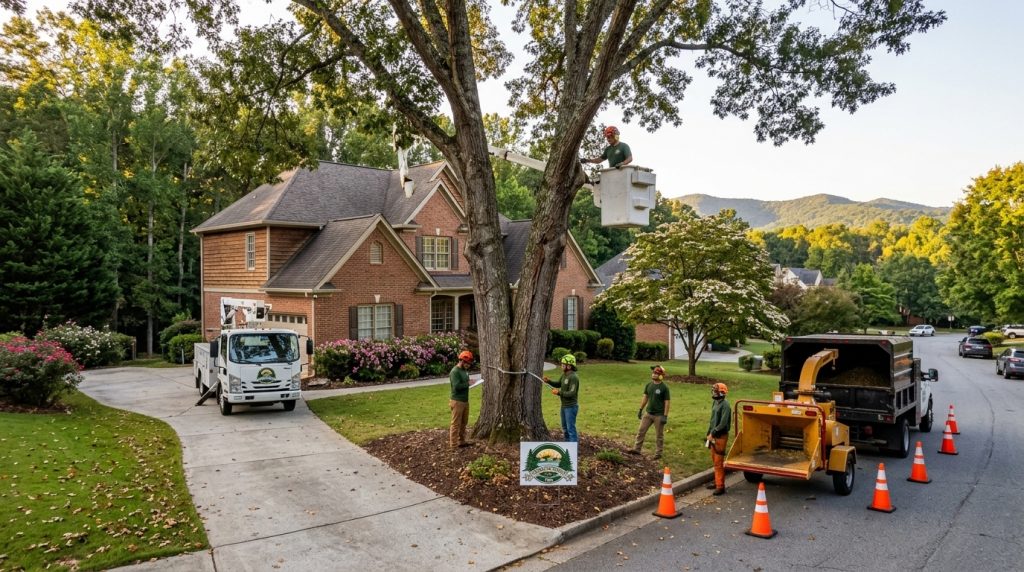
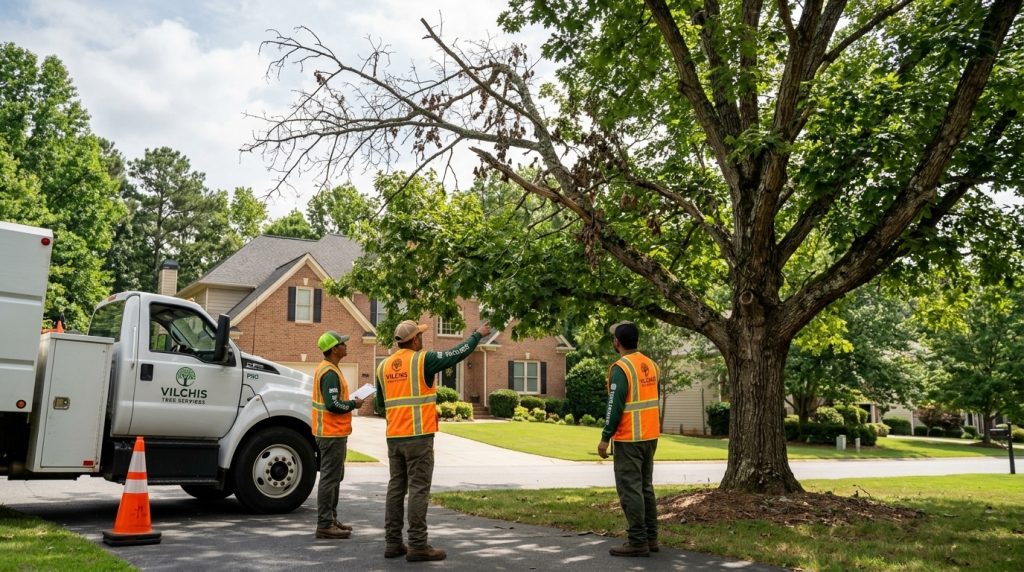
When Should You Trim Trees in Acworth, GA?
A Homeowner’s Guide to Seasonal Tree Trimming
Trees need regular care to stay healthy and safe. One of the most important steps in tree care is trimming. If you live in Acworth, Georgia, you may ask, “When is the best time to trim my trees?”
The answer depends on the type of tree, the season, and your specific goals. Determining the best time to trim trees depends on several factors, such as tree species, health, and local climate. This guide explains the best times of year to trim trees in Acworth. Proper timing of trimming supports the tree’s overall growth and long-term health by encouraging strong structure and resilience.
It also covers why timing matters and how seasonal changes in Georgia can affect a tree’s health, as a tree’s health depends on proper timing and care throughout the year.
Why Tree Trimming Is Important
Tree trimming helps improve the shape, structure, and safety of trees. Understanding the tree’s structure is essential when deciding how and when to prune trees, as it allows for more effective and safe maintenance. Regular trimming also supports the tree’s health by promoting strong growth and preventing issues caused by overcrowded branches. It removes dead or weak branches. It also reduces the risk of limbs falling on homes, driveways, or power lines. Trimming the canopy improves air circulation through the branches and reduces the risk of disease.
In Acworth, where storms and high winds are common during certain seasons, it is important to prune trees using proper techniques and timing to maintain their safety and health. Trimming can prevent damage to homes and property.
Best Time to Trim Trees in Acworth
Winter (Late December through February)
Best for most types of trees
Winter is the best time for tree trimming in Acworth. Trees are dormant during this season. Dormancy in the colder months allows for safer and more effective pruning, as trees are less susceptible to stress and disease. Late fall marks the beginning of the dormant period, making it a good time to start planning pruning. Without leaves, it is easier to see the branch structure. Trimming in winter promotes healthy spring growth. It also reduces the risk of disease and insect infestation.
Key Benefits:
- Lower risk of disease
- Less stress on the tree
- Better visibility of structure
- Ability to make precise cuts due to improved visibility
- Reduces the risk of spreading diseases by pruning during dormancy
- Safe time for storm prep
Recommended for:
Oak trees, maple trees, elm trees, fruit trees
Best to prune deciduous trees during winter dormancy
Early Spring (March to April)
Good for light shaping and dead limb removal
Early spring is a good time to remove small limbs or do light shaping. If you missed winter pruning, early spring is a safe second option. However, avoid heavy trimming once new growth starts. As trees become actively growing in early summer, heavy pruning should be avoided to prevent stress. For some species, early summer is a better time for minor pruning, but only when necessary.
Use early spring for:
- Cleanup of winter damage
- Minor shaping
- Removing broken branches after storms
Late Spring to Summer (May to August)
Use caution
Trimming in summer is possible but should be limited. High temperatures and active growth can stress trees. Summer is the peak of the growing season, making trees more vulnerable to stress. However, certain species, such as crape myrtle, tolerate light summer pruning if cuts are minor and properly timed, as they recover quickly compared to other tree species. Insects and disease are also more active. Only trim in summer if you see a hazard, such as a cracked limb or storm damage.
Use summer trimming for:
- Emergency safety issues
- Storm damage
- Removal of weak or dead limbs
Fall (September to Early November)
Not ideal for most trees
Fall may seem like a good time to trim, but it can create problems. Trees begin to go dormant in the fall, and fresh cuts may not heal well. Open wounds can attract pests and diseases. Improper fall trimming can increase the risk of pest infestation, making trees more vulnerable as they enter dormancy. Fall cuts can also increase the risk of fungal diseases, as slower healing during dormancy makes trees more vulnerable to infections.
Avoid major trimming in fall unless it is necessary. If you trim in fall, stick to light trimming and only perform gentle cleanup to protect the health of trees and other plants. Fall is not ideal for most plants, as trimming can impact their ability to recover before winter.
What Affects the Best Time to Trim Trees in Acworth?
Local Climate
Acworth has hot summers and mild winters. This impacts how trees grow and recover from cuts. Cold winters allow for safe dormant trimming. Summer heat can stress trees, so timing is key.
Tree Type
Some trees respond better to pruning at certain times. Different plants, including shrubs, have unique pruning needs and optimal timing for trimming to ensure healthy growth and prevent disease. For example, oak trees are best trimmed in winter to avoid oak wilt. Fruit trees should also be trimmed before buds appear.
Safety Concerns
If a tree is leaning or has broken limbs, timing does not matter. Remove dangerous branches right away. Safety should always come first.
Seasonal Tree Trimming Tips for Acworth Homeowners
- Schedule major trimming for winter.
It’s the safest and most effective time for most tree types.
- Inspect trees after storms.
Look for cracks, leaning trunks, or broken branches. Call a professional if needed.
- Avoid heavy summer pruning.
Trim only if there is a safety issue.
- Do not top trees.
Topping damages trees and leads to weak regrowth.
- Call a certified tree service.
Tree work can be dangerous. Using the right equipment is essential for safe and effective tree trimming. A local tree expert can identify safe and healthy cuts, ensuring each cut promotes proper wound healing and growth. For major trimming or removal, consulting a professional is highly recommended.
Common Trees in Acworth and Their Trimming Seasons
| Tree Type | Best Trimming Time |
| Oak | Winter (Dec–Feb) |
| Maple | Late winter or early spring |
| Pine | Late winter |
| Crepe Myrtle | Late winter or early spring |
| Dogwood | After blooming (late spring) |
| Fruit trees | Late winter before buds form |
Crape Myrtles and Other Flowering Trees: Special Trimming Guidelines
Crape myrtles and other flowering trees add beauty and color to your yard, but they require special care when it comes to pruning. For crape myrtles, the best time to prune is during the dormant season—late winter or early spring—before new growth begins. Pruning at this time helps prevent sap bleeding and reduces the risk of spreading disease. Always focus on removing dead or diseased branches to keep the tree healthy and encourage strong, healthy growth in the coming season.
When it comes to other flowering trees, timing is key to maintaining their bloom. For example, oak trees and many deciduous trees benefit from pruning during the dormant season to promote growth and maintain their structure. However, some flowering trees should be pruned immediately after they finish blooming in spring to avoid cutting off next year’s flower buds. By following these guidelines, you can help your trees recover quickly, reduce the risk of disease, and ensure a vibrant bloom year after year. Regular trimming and proper pruning techniques are essential for the long-term health and beauty of your flowering trees.
Tree Health and Pest Infestations
Keeping your trees healthy goes beyond just making them look good—it’s also about protecting them from pests and diseases. Pruning trees at the right time and with the right technique is crucial for maintaining tree health and preventing pest infestations. Removing dead or diseased branches not only improves the tree’s overall appearance but also stops the spread of disease and reduces the risk of pest problems.
Pruning during the summer months can sometimes attract pests and make trees more vulnerable to diseases, so it’s important to follow proper pruning timing. Regular tree care, including inspections and timely pruning, helps catch issues early before they become serious. Consulting a professional arborist ensures that your trees are pruned correctly, promoting healthy growth and minimizing the risk of pest infestations. By staying proactive with your tree care, you can maintain strong, healthy trees and a beautiful yard all year long.
Why Use a Local Tree Service in Acworth?
Working with a tree service in Acworth ensures that your trees get care that fits the local environment. Local companies understand Georgia weather and regional tree types. They also know about local codes and permit rules for tree removal or large cuts.
At Vilchis Tree Services Pro, we live and work in Acworth. We know how to trim trees at the right time and in the right way to support safety and long-term health.
Contact us today for a free quote on tree trimming or removal.
Final Thoughts
The best time to trim trees in Acworth is during the winter months, from December to February. Early spring can also work for light shaping or cleanup. Avoid heavy trimming in summer or fall unless there is a safety issue.
Regular tree trimming protects your home, your yard, and your trees. Plan ahead so you can schedule trimming during the safest seasons.
If you are unsure when to trim your trees, or if you see damage, call a local professional.
Need Help? Contact Vilchis Tree Services Pro Today
📍 3420 Novis Pointe NW, Acworth, GA 30101
📞 (470) 914-2221
We provide safe, affordable, and expert tree trimming in Acworth, GA and all surrounding areas. Call today for a free estimate or tree health check.